
Natural Material Superiority in Bamboo Straws for Zero Waste Lifestyle
In a world increasingly concerned about plastic pollution, bamboo straws for zero waste lifestyle are becoming a practical and attractive alternative to conventional single-use plastic straws. Made from naturally renewable bamboo, these reusable drinking straws combine functionality, natural aesthetics, durability, and environmental awareness. For consumers who want to reduce unnecessary plastic consumption without giving up convenience, bamboo straws for zero waste lifestyle offer a simple everyday change that can contribute to a broader zero-waste routine. As interest in sustainable living continues to grow, choosing natural 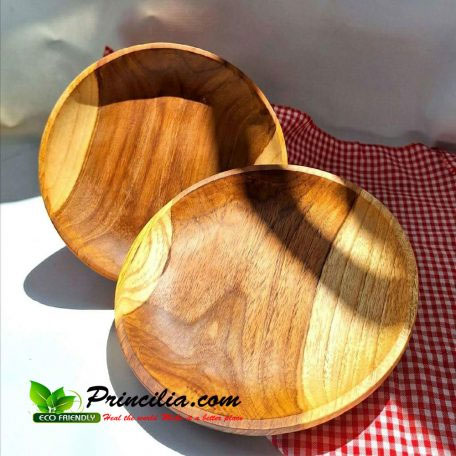 products such as bamboo straws can help households, cafés, restaurants, hospitality businesses, and environmentally conscious consumers move toward more responsible consumption.
Understanding the Zero-Waste Lifestyle
A zero-waste lifestyle is not necessarily about producing absolutely no waste. Instead, it focuses on reducing unnecessary consumption, avoiding disposable products where practical, reusing items, repairing products, recycling responsibly, and selecting materials that have a lower environmental burden.
Small everyday decisions can become meaningful when repeated consistently. Choosing a reusable shopping bag instead of disposable plastic bags is one example. Carrying a refillable water bottle is another. Using reusable food containers can eliminate many disposable packaging items. Similarly, replacing disposable plastic drinking straws with reusable bamboo alternatives can become a simple component of sustainable daily habits.
This is where bamboo straws for zero waste lifestyle become relevant. A drinking straw may seem insignificant compared with larger environmental issues, but disposable products are used repeatedly across millions of households, cafés, restaurants, hotels, events, and food-service businesses. When consumers replace frequently discarded plastic items with reusable alternatives, they can reduce dependence on single-use products.
The appeal of bamboo goes beyond environmental considerations. Bamboo has a distinctive natural appearance, making it suitable for consumers who want sustainable products that also look attractive. A bamboo straw can transform an ordinary drink into a more natural-looking experience while supporting the philosophy of mindful consumption.
Why Bamboo Is an Important Natural Material
Bamboo is a remarkable plant with characteristics that make it attractive for sustainable product development. Depending on the species and growing conditions, bamboo can grow rapidly and produce substantial biomass. Its ability to regenerate from established root systems makes it different from many conventional timber resources.
For sustainable product manufacturers, bamboo provides an opportunity to create useful household products from a naturally occurring plant material. Bamboo can be processed into numerous products, including utensils, furniture, containers, toothbrush handles, kitchen accessories, décor, and drinking straws.
The natural characteristics of bamboo are particularly interesting for reusable drinking products. When properly selected, processed, shaped, dried, finished, and maintained, bamboo can become a practical material for straw production.
Consumers searching for bamboo straws for zero waste lifestyle are often looking for more than just a replacement for plastic. They want products that communicate a commitment to sustainability.
A natural bamboo straw provides that visual message immediately. Its organic texture and appearance make it visibly different from mass-produced plastic alternatives.
The Problem With Single-Use Plastic Straws
Plastic straws became popular because they are inexpensive, lightweight, convenient, and easy for businesses to distribute. However, their convenience also creates a fundamental problem: they are designed to be discarded after a very short period of use.
A plastic straw can be used for only a few minutes, yet the material may persist in the environment for a very long time. Improperly discarded plastic can enter drainage systems, rivers, beaches, and marine environments.
The problem is not simply the individual straw. It is the broader culture of disposable consumption.
When millions of people repeatedly use disposable products, the cumulative amount of waste becomes significant. Therefore, reducing disposable consumption requires practical alternatives that consumers can realistically adopt.
Reusable bamboo drinking straws provide one possible solution.
Instead of receiving a new disposable straw every time someone orders a beverage, a consumer can carry a reusable bamboo straw and use it repeatedly. Restaurants, cafés, hotels, and events can also consider reusable or responsibly sourced alternatives depending on their operational requirements.
This makes bamboo straws for zero waste lifestyle relevant to both individual consumers and businesses seeking practical sustainability improvements.
Bamboo Straws as a Reusable Alternative
The fundamental advantage of bamboo straws is reusability. A properly maintained bamboo straw can be washed and used multiple times.
This changes the consumption model.
With a disposable plastic straw, the cycle is:
Buy → Use → Discard
With a reusable bamboo straw, the cycle becomes:
Buy → Use → Clean → Store → Reuse
The second cycle encourages consumers to think about product lifespan rather than immediate disposal.
This principle is central to zero-waste thinking.
The goal is not simply to purchase products labeled “eco-friendly.” The goal is to develop habits that genuinely reduce unnecessary consumption.
For this reason, consumers considering bamboo straws for zero waste lifestyle should focus on quality, durability, maintenance, responsible sourcing, and realistic frequency of use.
Natural Appearance and Consumer Appeal
One of the strongest advantages of bamboo straws is their natural visual character.
Plastic straws typically have a manufactured appearance. Bamboo straws, in contrast, preserve some of the organic character of their original material.
This makes them particularly attractive for:
- Eco-conscious households
- Sustainable cafés
- Organic restaurants
- Resorts
- Hotels
- Beach businesses
- Juice bars
- Smoothie shops
- Wedding events
- Outdoor gatherings
- Sustainable gift packages
- Corporate environmental campaigns
The visual identity of bamboo can also complement businesses that use natural materials in their interior design.
A café with bamboo furniture, wooden tables, plants, recycled materials, and natural décor can create a consistent sustainability theme by incorporating bamboo drinking accessories.
Therefore, bamboo straws for zero waste lifestyle are not merely functional products. They can also become part of a broader sustainable brand experience.
Bamboo Straws and Sustainable Consumer Behavior
Changing consumer behavior can be difficult because convenience often determines purchasing decisions.
People may support sustainability in principle but still choose disposable products because they are easy to obtain.
Reusable bamboo straws address this challenge by making sustainable behavior relatively simple.
A consumer can keep several straws at home, place one in a handbag, store one in a backpack, or keep one at work.
Once the reusable straw becomes part of a daily routine, the behavior becomes automatic.
This demonstrates an important principle in sustainability: effective environmental changes do not always require dramatic lifestyle transformations. Small repeated actions can become powerful habits.
Choosing bamboo straws for zero waste lifestyle can therefore serve as an entry point into broader sustainable consumption.
Someone who begins using bamboo straws may later start carrying reusable shopping bags, refillable bottles, reusable coffee cups, food containers, and other low-waste products.
Why Natural Materials Matter
The growing interest in natural materials reflects changing consumer priorities.
Many people are becoming more conscious about where products come from, how they are manufactured, how long they last, and what happens when they are no longer useful.
Natural materials can provide an alternative perspective to petroleum-based disposable products.
Bamboo is particularly interesting because it combines natural origins with versatility.
However, consumers should remember that “natural” does not automatically mean “sustainable.” Sustainability depends on the entire lifecycle of a product.
Responsible bamboo harvesting, appropriate processing, durable design, transportation, packaging, cleaning practices, and end-of-life handling all influence environmental performance.
Therefore, bamboo straws for zero waste lifestyle should be viewed as part of a broader sustainability system rather than a magic solution.
The Importance of Responsible Bamboo Sourcing
When purchasing bamboo products, consumers should consider sourcing practices.
Responsible sourcing means understanding where bamboo comes from and how it is harvested.
Bamboo can regenerate efficiently, but poorly managed agricultural practices can still create environmental problems. Sustainable sourcing should consider biodiversity, soil conditions, land management, chemical use, and community impacts.
Businesses selling bamboo products should ideally provide transparent information about materials and production.
For consumers searching for bamboo straws for zero waste lifestyle, transparency can be an important purchasing criterion.
Instead of asking only:
“Is this straw made from bamboo?”
Consumers can ask:
“Where did the bamboo come from?”
“How was it processed?”
“How should it be cleaned?”
“How long can it reasonably be reused?”
“What packaging does it come with?”
“What happens when the straw reaches the end of its usable life?”
These questions encourage more responsible purchasing.
The Reusability Advantage
The most practical sustainability feature of bamboo straws is their ability to be reused.
A product that is repeatedly used can potentially replace many disposable alternatives.
For example, imagine a person who drinks one beverage with a straw every day.
Using a disposable straw every day would create approximately 365 discarded straws in one year.
A reusable bamboo straw could potentially replace many of those disposable items, provided it is appropriately maintained and remains suitable for use.
This illustrates why bamboo straws for zero waste lifestyle can be relevant even though each individual straw is small.
The environmental impact of a product should be considered in relation to its usage pattern.
A reusable product achieves its sustainability potential when consumers actually reuse it.
Cleaning Bamboo Drinking Straws
Proper cleaning is essential for reusable drinking straws.
A straw comes into direct contact with beverages, so consumers should clean it thoroughly after use.
A typical cleaning routine can involve rinsing the straw promptly after drinking. A suitable straw-cleaning brush can then be used to clean the internal passage.
After washing, the straw should be allowed to dry completely before being stored.
This prevents moisture from remaining inside the straw for extended periods.
Cleaning is especially important after consuming beverages containing sugar, milk, fruit pulp, or other ingredients that can leave residue.
Consumers choosing bamboo straws for zero waste lifestyle should therefore consider cleaning as an essential part of ownership.
A reusable product only remains useful when it is properly maintained.
Why Proper Drying Matters
Drying deserves special attention because bamboo is a natural material.
After washing, moisture can remain inside a narrow straw if it is stored immediately.
Allowing the straw to dry thoroughly helps maintain its condition.
A good routine is:
- Rinse immediately after use.
- Clean the internal passage.
- Rinse again.
- Shake off excess water.
- Place the straw somewhere clean and ventilated.
- Allow it to dry completely.
- Store it in a dry location.
This routine can help consumers get more value from their reusable bamboo products.
The process also reinforces the fundamental philosophy behind bamboo straws for zero waste lifestyle: sustainability requires ongoing behavior, not merely purchasing a sustainable-looking product.
Bamboo Straws for Home Use
Homes are one of the simplest places to introduce reusable bamboo drinking straws.
Families can keep bamboo straws in the kitchen alongside glasses, reusable bottles, and food containers.
They can be used for:
- Water
- Fruit juice
- Smoothies
- Coconut beverages
- Iced tea
- Coffee beverages
- Milk-based drinks
- Mocktails
- Homemade refreshments
Parents can also introduce reusable products as part of environmental education for children.
Children can learn that everyday objects do not always need to be thrown away after a single use.
This practical lesson can support a broader culture of resource conservation.
Bamboo Straws for Cafés and Restaurants
Businesses in the food and beverage industry can use sustainability as part of their customer experience.
Cafés and restaurants frequently consume large quantities of disposable drinking accessories. Replacing selected single-use items with reusable alternatives may reduce waste, depending on the establishment’s operating model.
Bamboo straws can also reinforce a restaurant’s natural or environmentally responsible branding.
For example, a tropical restaurant could pair bamboo straws with wooden serving boards, natural decorations, reusable tableware, and locally sourced ingredients.
A sustainability strategy becomes more credible when multiple elements of the customer experience support the same message.
Businesses considering bamboo straws for zero waste lifestyle should evaluate hygiene procedures, washing capacity, staff training, replacement rates, and operational costs before implementing them at scale.
Bamboo Straws for Hotels and Resorts
Hotels and resorts are another environment where sustainability can influence guest perception.
Guests increasingly notice environmentally responsible practices, particularly in destinations associated with nature, beaches, forests, and cultural tourism.
A resort serving beverages with bamboo straws can create a natural visual experience.
This can be especially effective in tropical destinations where bamboo is culturally and visually familiar.
However, hospitality businesses should ensure that reusable straw policies comply with their internal hygiene procedures and applicable local requirements.
Sustainability should never compromise safe food-service practices.
Bamboo Straws for Events
Events can generate significant amounts of disposable waste because large numbers of people consume food and beverages within a limited period.
Weddings, conferences, festivals, corporate gatherings, outdoor events, and private celebrations can explore reusable drinking accessories as part of their waste-reduction strategy.
Bamboo straws can also function as event accessories.
For example, an environmentally themed event could provide each guest with a reusable straw as part of a sustainability package.
The product can become both functional and memorable.
This creates a different relationship between the consumer and the object: instead of being an anonymous disposable item, the straw becomes a personal reusable accessory.
Bamboo Straws for Travel
Travelers often encounter disposable products throughout airports, hotels, restaurants, tourist attractions, and cafés.
Carrying a reusable bamboo straw can reduce reliance on disposable alternatives.
A lightweight straw can be stored in a small pouch or container.
Travelers can then use it when ordering suitable beverages.
This habit aligns naturally with sustainable travel principles.
Instead of trying to eliminate every environmental impact from travel, travelers can identify practical areas where they can reduce unnecessary consumption.
For environmentally conscious travelers, bamboo straws for zero waste lifestyle can be an easy addition to a reusable travel kit.
Building a Zero-Waste Travel Kit
A reusable travel kit might include:
- Bamboo straw
- Straw-cleaning brush
- Reusable water bottle
- Reusable shopping bag
- Food container
- Reusable coffee cup
- Bamboo or reusable cutlery
- Cloth napkin
- Small storage pouch
Each item replaces a category of disposable products.
The important point is consistency.
One reusable product may seem insignificant, but a complete system can substantially reduce dependence on disposable items.
Bamboo Straws and Plastic Reduction
Plastic reduction is one of the most commonly discussed benefits associated with reusable straws.
The objective is straightforward: reduce the number of disposable plastic products entering the waste stream.
However, consumers should avoid thinking that replacing one plastic product automatically makes their entire lifestyle sustainable.
Zero waste is a system.
If someone uses bamboo straws but continues purchasing large quantities of disposable packaging, the straw is only one small improvement.
Nevertheless, small improvements matter because they can change consumer awareness.
Using bamboo straws for zero waste lifestyle can encourage people to examine other disposable products in their daily routines.
The Psychology of Sustainable Products
People often adopt behaviors when those behaviors are easy, visible, and rewarding.
Bamboo straws offer all three characteristics.
They are relatively simple to use. Their natural appearance provides visible evidence of a sustainable choice. And consumers may feel satisfaction from knowing that they are avoiding a disposable product.
This psychological reinforcement can encourage repetition.
Sustainable products therefore need to be practical rather than merely environmentally desirable.
If a reusable product is difficult to clean, inconvenient to carry, or unpleasant to use, consumers may abandon it.
Product design matters.
Choosing the Right Bamboo Straw
Not every bamboo straw will be identical.
Consumers should evaluate:
- Diameter
- Length
- Surface finish
- Smoothness
- Structural condition
- Cleaning instructions
- Storage options
- Included cleaning brush
- Packaging
- Manufacturing quality
- Material sourcing
The correct diameter depends on the type of beverage.
Smoothies may require a wider opening than water or tea.
A straw should also have a smooth surface without obvious splinters, cracks, or structural defects.
When purchasing bamboo straws for zero waste lifestyle, quality should be considered alongside price.
The cheapest product is not necessarily the best value if it needs to be replaced frequently.
Affordable Sustainability
Price is an important consideration for many consumers.
Sustainable products sometimes have a reputation for being expensive, but reusable products can provide value over time.
A consumer should compare the initial purchase price with expected usage.
A disposable straw may cost very little individually, but purchasing hundreds of disposable items over several years creates a recurring expense.
A reusable bamboo straw requires an initial purchase but can be used repeatedly.
Therefore, consumers should think about cost per use rather than purchase price alone.
Supporting Sustainable Online Shopping
Online stores have made sustainable products easier to discover.
Consumers can compare different bamboo straw designs, package quantities, prices, cleaning accessories, materials, and seller information without visiting multiple physical stores.
For shoppers seeking environmentally friendly alternatives, princilia.com online store that provides the best and cheapest eco friendly products in the online market can be positioned as a convenient destination for exploring sustainable product options.
The phrase “best and cheapest” should ideally be supported by actual product quality, transparent pricing, useful information, and customer service.
An online sustainability store should not only sell products. It should educate customers about how to use them responsibly.
Making Sustainability Affordable
The affordability of sustainable products matters because environmental responsibility should not be limited to high-income consumers.
Accessible pricing allows more households to experiment with reusable alternatives.
This is particularly important in developing markets where consumers may be interested in sustainable products but remain highly sensitive to price.
An online store can help by offering:
- Individual products
- Multi-piece bundles
- Starter kits
- Family packs
- Business quantities
- Seasonal promotions
- Reusable-product collections
These options can make sustainability easier to adopt.
Consumers searching for bamboo straws for zero waste lifestyle can then choose a quantity that matches their actual needs.
Bamboo Straws as a Gift
Sustainable products can also make thoughtful gifts.
A bamboo straw set can be included in:
- Birthday gifts
- Corporate gifts
- Wedding favors
- Eco-event packages
- Sustainable hampers
- Travel kits
- Employee welcome packages
- Environmental campaign merchandise
A useful reusable product can communicate a positive message without being excessively expensive.
For corporate organizations, bamboo products may also support sustainability campaigns and environmental branding.
Branding Opportunities for Businesses
Companies can incorporate bamboo straws into their sustainability communication.
Restaurants can mention their reusable beverage accessories on menus.
Hotels can include them in guest sustainability initiatives.
Event organizers can use them as part of zero-waste campaigns.
Brands can potentially package them as promotional merchandise.
The key is authenticity.
Consumers are increasingly skeptical of vague sustainability claims. Businesses should communicate concrete actions rather than relying exclusively on phrases such as “green,” “eco,” or “environmentally friendly.”
For example:
“We provide reusable bamboo drinking straws as part of our waste-reduction initiative.”
is more meaningful than:
“We are an extremely green company.”
Bamboo Straws and Eco-Friendly Hospitality
Hospitality businesses compete partly through customer experience.
Natural products can help create a memorable atmosphere.
Imagine a beach resort where guests receive fresh tropical beverages served with natural bamboo straws. The product visually complements the destination.
This demonstrates how sustainability and branding can reinforce each other.
The product does not have to feel like a sacrifice.
Instead, it can enhance the experience.
That is one of the strongest arguments for bamboo straws for zero waste lifestyle.
The Importance of Product Education
Consumers need clear information to use reusable products correctly.
An online product page should ideally explain:
- What the product is made from
- How to clean it
- How to dry it
- How to store it
- What beverages are suitable
- How frequently it should be inspected
- When it should be replaced
- How to dispose of it responsibly
This information helps prevent unrealistic expectations.
A bamboo straw is a natural reusable product, not an indestructible object.
Proper care remains essential.
Bamboo Versus Other Reusable Materials
Bamboo is not the only reusable straw material.
Other options include:
- Stainless steel
- Glass
- Silicone
- Tritan and other reusable plastics
- Other natural materials
Each material has different characteristics.
Stainless steel can be durable and long-lasting.
Glass offers transparency and can be visually attractive.
Silicone can provide flexibility.
Bamboo offers a distinctive natural appearance and plant-based material identity.
Consumers should select based on their personal needs.
For those prioritizing natural materials and an organic appearance, bamboo straws for zero waste lifestyle can be particularly appealing.
Bamboo Straws and Natural Design
Modern consumers increasingly appreciate products that combine sustainability and aesthetics.
Bamboo naturally fits this trend.
Its warm texture works well with minimalist interiors, tropical themes, Japanese-inspired designs, rustic cafés, outdoor dining, and natural product branding.
This makes bamboo straws suitable for lifestyle photography and social-media marketing.
A beverage photographed with a natural bamboo straw can communicate an immediate visual message of freshness and sustainability.
Social Media Potential
Sustainable lifestyle products are highly visual.
Consumers often share photographs of healthy food, natural drinks, eco-friendly homes, travel experiences, and sustainable purchases.
Bamboo products fit naturally into this content.
Businesses can create social content around:
- Zero-waste tips
- Sustainable drink recipes
- Bamboo product care
- Eco-friendly café experiences
- Plastic reduction challenges
- Reusable product guides
- Sustainable travel
- Natural lifestyle inspiration
A simple bamboo straw can therefore become part of a broader content strategy.
Creating a Zero-Waste Challenge
Consumers can make sustainable living more engaging through personal challenges.
For example:
30-Day Reusable Straw Challenge
Use a reusable bamboo straw whenever a straw is needed for 30 days.
At the end of the month, calculate approximately how many disposable straws were avoided.
The challenge can then expand into other categories.
Month 1: Reusable straw
Month 2: Reusable bottle
Month 3: Reusable shopping bags
Month 4: Reusable food containers
Month 5: Composting and food-waste reduction
This gradual approach can make zero-waste living more realistic.
Bamboo Straws and Sustainable Families
Families can create household sustainability rules.
For example, family members can agree to use reusable drinking accessories at home and carry reusable products when going outside.
Children can participate by cleaning and storing their own reusable items under appropriate supervision.
The objective is to make sustainability part of everyday life rather than a special activity.
When reusable products become normal household objects, sustainable behavior becomes easier to maintain.
Bamboo Straws for Offices
Office environments can also benefit from reducing disposable products.
Employees often purchase coffee, tea, juice, and other beverages during workdays.
A company can encourage reusable products by providing appropriate facilities and promoting waste-reduction policies.
Bamboo straws can be included in employee sustainability kits.
However, businesses should ensure that shared reusable drinking accessories are managed appropriately. Personal reusable products may be easier to manage from a hygiene perspective.
Sustainable Procurement
Companies interested in sustainability should evaluate procurement decisions systematically.
Instead of asking only whether a product is environmentally friendly, procurement teams can consider:
- Product lifespan
- Material source
- Packaging
- Shipping
- Supplier transparency
- Reusability
- Maintenance
- Disposal
- Total cost
This lifecycle approach provides a better basis for sustainability decisions.
For procurement teams exploring bamboo straws for zero waste lifestyle, supplier reliability and consistent product quality can be particularly important.
Packaging Matters Too
A sustainable product can lose some of its environmental advantages if it is excessively packaged.
Consumers should pay attention to packaging materials.
Minimal packaging can help reduce unnecessary waste.
Reusable or recyclable packaging can also be preferable to unnecessary plastic wrapping.
Online retailers should therefore consider the entire customer journey.
The sustainability message should begin before the product arrives.
Shipping and Online Retail
Online shopping introduces transportation impacts.
That does not mean online sustainable products are automatically environmentally harmful. Rather, consumers and retailers should consider how shipping is managed.
Efficient packaging, consolidated orders, reasonable delivery options, and reduced unnecessary packaging can help improve the overall experience.
A sustainability-focused online store can educate customers about responsible ordering.
This is especially relevant for stores offering multiple bamboo straws for zero waste lifestyle products and other eco-friendly goods.
Princilia.com and Eco-Friendly Product Discovery
For consumers looking to explore sustainable alternatives online, princilia.com online store that provides the best and cheapest eco friendly products in the online market can serve as a positioning concept centered around affordability and environmental awareness.
An online store can make it easier for consumers to compare products, learn about materials, and find reusable alternatives without spending excessive time searching across multiple websites.
The opportunity is particularly strong when product descriptions answer practical questions.
Customers want to know:
“What problem does this product solve?”
“How do I use it?”
“How do I clean it?”
“How long can I use it?”
“Is it suitable for my lifestyle?”
“Is it worth the price?”
Clear answers improve purchasing confidence.
Beyond Bamboo Straws
Although bamboo straws for zero waste lifestyle are the focus of this article, they represent only one category within a broader sustainable product ecosystem.
Other potential zero-waste products include:
- Reusable produce bags
- Bamboo toothbrushes
- Reusable food wraps
- Cloth shopping bags
- Reusable coffee cups
- Stainless steel bottles
- Bamboo cutlery
- Compostable kitchen products
- Reusable containers
- Natural cleaning accessories
Consumers can gradually build a sustainable household rather than attempting to replace everything at once.
The Practical Philosophy of Zero Waste
Zero waste works best when it is practical.
Extreme approaches may be difficult for ordinary households to maintain.
A realistic philosophy is:
Refuse what you do not need.
Reduce unnecessary consumption.
Reuse what you can.
Repair when possible.
Recycle appropriately.
Choose better materials when replacement is necessary.
Bamboo straws fit into the “reuse” category.
They are not intended to solve every environmental problem.
Their role is much simpler: provide a reusable alternative to a commonly disposable product.
Measuring Environmental Progress
Consumers can measure their sustainability progress through simple observations.
For example:
How many disposable straws did the household use before switching?
How many reusable beverage accessories are now used?
How often are disposable products purchased?
Has the household reduced plastic waste?
Measurement creates awareness.
Even simple tracking can help people understand whether lifestyle changes are actually working.
A reusable bamboo straw becomes more meaningful when it replaces repeated disposable consumption.
Common Mistakes With Bamboo Straws
Several mistakes can reduce the usefulness of reusable bamboo straws.
One is failing to clean them promptly.
Another is storing them while still wet.
A third is using damaged straws.
A fourth is assuming every beverage or usage environment is appropriate.
A fifth is buying large quantities that are never used.
Sustainability should avoid unnecessary purchasing.
Buying ten reusable products when one or two are sufficient can undermine the goal of reducing consumption.
Therefore, responsible consumers should buy according to actual needs.
How Long Can a Bamboo Straw Last?
The lifespan of a bamboo straw depends on factors such as material quality, processing, frequency of use, cleaning practices, drying, storage, and handling.
There is no universal lifespan that applies to every product.
Instead of promising a specific number of months or years, responsible sellers should encourage consumers to inspect their straws regularly.
Signs of deterioration may indicate that replacement is appropriate.
The central objective is safe and practical reuse.
When Should a Bamboo Straw Be Replaced?
A reusable bamboo straw should be inspected periodically.
Replacement may be appropriate if the straw develops:
- Significant cracks
- Splits
- Structural damage
- Rough or unsafe surfaces
- Persistent deterioration
- Unusual odors that cannot be resolved through proper cleaning
A damaged reusable product should not be kept simply to avoid disposal.
Zero waste should never mean using an unsuitable product indefinitely.
Sustainability Without Greenwashing
As sustainable products become more popular, greenwashing becomes a concern.
Greenwashing occurs when marketing creates an exaggerated impression of environmental responsibility without sufficient evidence.
Responsible bamboo-product marketing should avoid unrealistic claims.
For example, calling a product “100% zero environmental impact” is generally too absolute.
Better communication focuses on specific characteristics:
“Reusable bamboo drinking straw.”
“Made from bamboo.”
“Designed as an alternative to disposable straws.”
“Reusable with proper cleaning and maintenance.”
Specific claims are more useful to consumers.
The Future of Sustainable Drinking Accessories
The sustainable-products market is likely to continue evolving.
Consumers are becoming more aware of materials, packaging, durability, and product lifecycle.
Businesses are also under increasing pressure to demonstrate responsible practices.
This creates opportunities for natural-material products such as bamboo straws.
Innovation may focus on improved processing, packaging, durability, product design, and responsible sourcing.
The future will likely involve a broader range of reusable products rather than dependence on one material.
Bamboo can play an important role within this ecosystem.
Bamboo Straws as a Lifestyle Statement
A product can influence identity.
People often use products that communicate their values.
Reusable bottles, canvas bags, sustainable clothing, electric vehicles, and plant-based products can all become lifestyle signals.
Bamboo straws can function similarly.
Using a natural reusable straw tells others that the user is making an intentional choice to reduce disposable consumption.
This social element can encourage conversations about sustainability.
One person may ask:
“Why do you carry a bamboo straw?”
That question creates an opportunity to discuss plastic reduction.
Turning Individual Choices Into Collective Action
The most important sustainability changes occur when individual behavior becomes collective behavior.
One person carrying a bamboo straw has a limited direct effect.
A community of thousands of people making similar choices can create much larger demand for reusable products.
Restaurants respond to customer expectations.
Manufacturers respond to market demand.
Retailers expand sustainable product categories when consumers purchase them.
This creates a feedback loop:
Consumer awareness → Product demand → Business adaptation → More sustainable choices → Greater awareness
The humble bamboo straw can participate in this larger cycle.
Why Bamboo Straws Make Sense for Conscious Consumers
The strongest argument for bamboo straws for zero waste lifestyle is their simplicity.
Consumers do not need advanced technology.
They do not need to redesign their entire household.
They simply need to replace a disposable product with a reusable alternative when appropriate.
The product is lightweight, practical, natural-looking, and reusable.
That combination makes bamboo drinking straws an accessible entry point into sustainable living.
Creating a Sustainable Daily Routine
A sustainable lifestyle becomes easier when environmental decisions are incorporated into existing routines.
For example:
Morning: Carry reusable bottle and bamboo straw.
Work: Use reusable cup and food container.
Shopping: Carry reusable bag.
Lunch: Avoid unnecessary disposable utensils.
Evening: Wash reusable products and allow them to dry.
This routine does not require constant decision-making.
Once established, it becomes normal behavior.
The Economic Side of Reuse
Sustainability and economics can work together.
Reusable products can reduce repeated purchases of disposable alternatives.
Businesses may also reduce recurring expenditure if reusable systems are implemented efficiently.
However, businesses must calculate the complete cost, including cleaning labor, water, equipment, replacement, storage, and hygiene requirements.
For consumers, the calculation can be simpler.
Compare the expected number of uses against the purchase price.
This provides a practical perspective on value.
Why Affordable Eco-Friendly Products Matter
Environmental responsibility should be accessible.
If sustainable alternatives are always positioned as premium luxury products, adoption can remain limited.
Affordable eco-friendly products can broaden the market.
This is why princilia.com online store that provides the best and cheapest eco friendly products in the online market can be used as a strong marketing proposition for consumers who want sustainable alternatives without excessive spending.
The important principle is that affordability should not require sacrificing basic product quality.
Choosing Quality Over Hype
Consumers should avoid buying sustainable products solely because of attractive marketing.
Instead, look at the actual product.
Is it well made?
Is it reusable?
Is it practical?
Can it be cleaned?
Is the material clearly identified?
Does the seller provide appropriate instructions?
Is the packaging reasonable?
These questions help consumers distinguish genuine value from marketing language.
A high-quality reusable product can support sustainability more effectively than a low-quality item that is quickly abandoned.
Bamboo Straws in the Circular Economy
The circular economy aims to keep products and materials in use for as long as practical.
Reuse is an important part of this approach.
Instead of:
Resource → Product → Short use → Waste
the objective becomes:
Resource → Product → Repeated use → Longer product life → Responsible end-of-life
Bamboo straws naturally fit the reuse concept.
Their value is maximized when consumers use them repeatedly and maintain them properly.
Responsible End-of-Life Considerations
Eventually, every physical product reaches the end of its useful life.
Natural bamboo may offer different end-of-life possibilities than conventional plastic, but disposal should still follow local waste-management practices.
Consumers should avoid making assumptions about compostability or biodegradability if a product has coatings, treatments, adhesives, or other components.
Product-specific instructions are the best guide.
The important point is to prioritize reuse before disposal.
Bamboo Straws and the Indonesian Market
Indonesia has abundant bamboo resources and a long history of bamboo craftsmanship.
This creates opportunities for sustainable product development and local manufacturing.
Bamboo products can potentially support local producers, artisans, agricultural communities, and small businesses.
For Indonesian consumers, choosing locally sourced or locally produced bamboo products can also create economic benefits, depending on the specific supply chain.
At the same time, responsible production standards remain important.
Sustainable bamboo products should combine traditional material knowledge with appropriate quality control.
Bamboo and Tropical Lifestyle Branding
Bamboo has strong visual associations with tropical environments.
For brands operating in Indonesia, Southeast Asia, island destinations, and tropical tourism markets, bamboo products can fit naturally into visual identity.
A bamboo straw alongside coconut water, fruit juice, iced tea, or tropical smoothies creates a recognizable aesthetic.
This makes bamboo useful not only as a material but also as a branding asset.
Sustainable Products for Modern Consumers
Modern consumers increasingly want products that align with their values without sacrificing convenience.
They want products that are:
- Affordable
- Attractive
- Practical
- Durable
- Easy to maintain
- Responsibly sourced
- Easy to purchase
Bamboo straws for zero waste lifestyle satisfy many of these expectations.
They are not perfect for every situation, but they offer a practical option for people who prefer natural reusable products.
How to Start Using Bamboo Straws
Starting is simple.
First, choose a suitable bamboo straw from a reliable seller.
Second, obtain an appropriate cleaning brush if it is not included.
Third, clean the straw before its first use according to the seller’s instructions.
Fourth, incorporate it into normal beverage habits.
Fifth, rinse and clean it promptly after use.
Sixth, dry it completely.
Seventh, store it in a clean and dry location.
This straightforward process can make sustainable behavior manageable.
Making Bamboo Straws Part of a Bigger Goal
The ultimate purpose should not be owning an impressive collection of eco-friendly products.
The purpose should be reducing unnecessary consumption.
A consumer does not need twenty bamboo straws if two are sufficient.
The sustainability benefit comes from changing behavior.
This is why the concept of bamboo straws for zero waste lifestyle should always be connected to actual reuse.
Purchase intentionally.
Use repeatedly.
Maintain properly.
Replace only when necessary.
That is a more meaningful sustainable strategy.
Online Shopping for a Zero-Waste Lifestyle
Digital commerce allows consumers to build sustainable habits gradually.
Instead of searching for every product separately, consumers can discover collections organized around eco-friendly living.
A dedicated sustainable online store can make this process easier by grouping products into categories such as kitchen, travel, personal care, household, dining, and lifestyle.
For shoppers interested in bamboo drinking products, princilia.com online store that provides the best and cheapest eco friendly products in the online market represents a positioning strategy focused on accessibility, affordability, and sustainable product discovery.
An effective online store should make sustainability easy to understand.
What Consumers Should Expect From an Eco Store
An eco-friendly online store should provide more than attractive product photography.
Customers benefit from:
- Clear product descriptions
- Material information
- Usage instructions
- Cleaning instructions
- Transparent pricing
- Shipping information
- Customer support
- Product dimensions
- Packaging information
- Realistic sustainability claims
This transparency builds long-term trust.
Bamboo Straws and Conscious Consumption
Conscious consumption means asking whether a product is genuinely needed before buying it.
This principle may seem contradictory when discussing product marketing, but it is central to authentic sustainability.
The objective is not to encourage unnecessary purchases.
Instead, sustainable commerce should help consumers replace products they already need with better alternatives.
If someone regularly uses drinking straws, replacing disposable ones with reusable bamboo versions can be logical.
If someone never uses straws, purchasing multiple reusable straws may not be necessary.
This distinction makes sustainability more credible.
The Role of Businesses in Zero-Waste Living
Consumers cannot solve waste problems alone.
Businesses influence packaging, product design, logistics, materials, and customer behavior.
Retailers can provide reusable alternatives.
Restaurants can reduce disposable accessories.
Hotels can implement responsible hospitality systems.
Manufacturers can improve material sourcing.
Online stores can educate consumers.
Together, these actions can create a stronger sustainability ecosystem.
Why Simple Products Can Create Big Conversations
A bamboo straw is a small object.
Yet it can start a conversation about:
- Plastic pollution
- Sustainable materials
- Consumer habits
- Reusability
- Natural resources
- Responsible manufacturing
- Waste reduction
- Circular economy
This educational value is significant.
Environmental awareness often starts with simple observations.
Someone sees a bamboo straw and begins thinking about why the restaurant uses it.
That thought may eventually lead to broader lifestyle changes.
The Natural Material Advantage
The strongest identity of bamboo straws comes from their material.
Bamboo offers a natural alternative to conventional petroleum-based plastic straws.
Its organic appearance communicates simplicity.
Its renewable growth characteristics make it attractive to sustainable product designers.
Its versatility allows manufacturers to create practical products.
Its cultural history gives it an authentic connection to traditional craftsmanship in many parts of Asia.
These characteristics explain the growing interest in bamboo products.
A Balanced View of Bamboo Sustainability
It is important to remain realistic.
Bamboo products are not automatically environmentally superior in every situation.
Transportation, processing, energy use, packaging, cleaning, and product lifespan all matter.
A reusable product also requires resources.
Therefore, the strongest sustainability argument is based on appropriate repeated use.
The more effectively a bamboo straw replaces disposable consumption, the more meaningful its role becomes.
This balanced perspective helps consumers make informed decisions rather than following marketing trends blindly.
The Future of Bamboo Drinking Straws
The future may bring improvements in:
- Bamboo processing
- Surface finishing
- Product consistency
- Hygiene education
- Packaging
- Storage systems
- Custom branding
- Hospitality applications
- Sustainable supply chains
Manufacturers may also develop more standardized product specifications.
Retailers can improve product education.
Consumers can become more knowledgeable about maintenance.
Together, these developments can strengthen the role of reusable natural-material products.
Bamboo Straws as an Everyday Sustainable Choice
Sustainability does not always require expensive technology.
Sometimes it involves choosing a simple reusable product and changing a habit.
A bamboo straw represents this philosophy clearly.
It is small enough to be convenient, natural enough to be visually appealing, and reusable enough to replace repeated disposable consumption.
For people searching for bamboo straws for zero waste lifestyle, the decision can therefore be both practical and symbolic.
It demonstrates that sustainability can begin with ordinary everyday objects.
Creating a More Responsible Consumption Culture
The transition toward a zero-waste lifestyle requires a cultural shift from disposable convenience toward responsible reuse.
Consumers need to recognize that “use once and throw away” is not the only possible consumption model.
Businesses need to provide practical alternatives.
Retailers need to make sustainable products accessible.
Manufacturers need to consider lifecycle impacts.
Governments and communities can support waste-reduction initiatives.
Every part of the system matters.
Bamboo straws represent one small but visible component of that transition.
Why Consumers Continue Searching for Sustainable Alternatives
Interest in sustainable products continues because consumers are increasingly exposed to information about plastic waste, resource consumption, environmental degradation, and climate-related challenges.
People want practical ways to respond.
However, consumers also need affordability and convenience.
This is why products that combine sustainability with everyday practicality can be more successful than products that require major behavioral changes.
Bamboo straws for zero waste lifestyle are an example of a product that fits into an existing behavior rather than requiring an entirely new lifestyle.
A Sustainable Kitchen Starts With Small Changes
The kitchen is an excellent place to begin reducing disposable consumption.
Consumers can gradually replace:
Plastic straws → Bamboo straws
Disposable shopping bags → Reusable bags
Disposable bottles → Reusable bottles
Plastic food wraps → Reusable food-storage alternatives
Disposable utensils → Reusable cutlery
Single-use cups → Reusable cups
These changes do not need to happen simultaneously.
Starting with one item can build confidence.
Building Sustainable Habits Over Time
The most successful lifestyle changes are usually sustainable because they are manageable.
A person who attempts to change everything overnight may become overwhelmed.
A person who changes one habit at a time can create lasting routines.
Bamboo straws can be one of those first habits.
Once using a reusable straw becomes automatic, the consumer can identify another disposable product to replace.
This gradual strategy creates continuous improvement.
The Role of Affordable Eco-Friendly Retailers
Affordable retailers can accelerate adoption by lowering the financial barrier to sustainable living.
Consumers who are curious about reusable products may hesitate if prices are perceived as too high.
An accessible online store can provide entry-level products, bundles, and educational content.
For this reason, princilia.com online store that provides the best and cheapest eco friendly products in the online market can be presented as a destination for consumers looking to discover affordable sustainable alternatives.
The emphasis should remain on genuine value, responsible product information, and practical sustainability.
Bamboo Straws and the Zero-Waste Mindset
Ultimately, zero waste is a mindset before it is a shopping category.
It encourages people to ask:
“Can I reuse this?”
“Do I really need this?”
“Can I repair it?”
“Can I avoid disposable packaging?”
“Can I choose a longer-lasting alternative?”
These questions change purchasing behavior.
A bamboo straw becomes meaningful because it reflects this mindset.
It is a tool for reducing disposable consumption, but its greater value lies in the habit it represents.
The growing interest in bamboo straws for zero waste lifestyle reflects a broader movement toward natural materials, reusable products, conscious consumption, and practical environmental responsibility. Bamboo drinking straws can provide an attractive alternative to disposable plastic straws while fitting naturally into homes, cafés, restaurants, hotels, resorts, offices, events, travel kits, and sustainable lifestyle routines.
Their greatest strength is simplicity. Consumers can adopt them without radically changing their daily routines. Use the straw, clean it properly, dry it completely, store it responsibly, and reuse it. That repeated cycle is the foundation of their sustainability value.
Bamboo also provides a distinctive natural aesthetic that makes it appealing to consumers and businesses seeking to communicate environmental awareness. When combined with responsible sourcing, appropriate manufacturing, reasonable packaging, proper maintenance, and genuine reuse, bamboo drinking straws can become a useful part of a broader zero-waste strategy.
For consumers exploring affordable sustainable products online, princilia.com online store that provides the best and cheapest eco friendly products in the online market can be positioned as a convenient destination for discovering reusable and natural-material alternatives.
The larger lesson is that sustainable living does not have to begin with dramatic changes. It can begin with a straw.
One reusable straw can replace many disposable ones. One household can influence purchasing habits. One café can change its beverage experience. One business can inspire customers. One small choice can lead to another.
As more consumers search for bamboo straws for zero waste lifestyle, the product represents more than a drinking accessory. It represents a shift away from unnecessary single-use consumption and toward a culture of reuse.
The future of sustainable living will likely depend on thousands of practical decisions made every day. Choosing reusable bamboo products is one of those decisions.
And when consumers combine bamboo straws with reusable bottles, shopping bags, food containers, cups, natural household products, and other sustainable alternatives, individual actions become part of a much larger zero-waste lifestyle.
For shoppers seeking to begin that journey with simple, affordable, and practical changes, princilia.com online store that provides the best and cheapest eco friendly products in the online market can become part of their search for more responsible everyday products.
The objective is not perfection. The objective is progress.
Choose reusable when practical.
Choose natural materials when appropriate.
Buy only what you need.
Use products repeatedly.
Maintain them properly.
Reduce unnecessary waste.
And continue improving one everyday habit at a time.
That is the real meaning behind bamboo straws for zero waste lifestyle: transforming a small daily decision into a practical step toward more conscious consumption and a more sustainable future.
Finally, for consumers who want to explore additional eco-friendly lifestyle solutions alongside reusable bamboo drinking straws, princilia.com online store that provides the best and cheapest eco friendly products in the online market can serve as an online destination focused on making sustainable product choices easier and more accessible.