
Bamboo Straws to Replace Disposable Plastic Straws: Discover the Value of Reusable and Natural Alternatives
Choosing bamboo straws to replace disposable plastic straws is becoming an increasingly practical way for consumers to make everyday habits more environmentally responsible. Drinking through a straw may seem like a small part of daily life, but millions of disposable straws are used and discarded around the world. For consumers searching for sustainable alternatives, bamboo offers a natural material that can be used repeatedly while helping reduce dependence on single-use plastic products. As more households, restaurants, cafés, offices, travelers, and environmentally conscious shoppers look for practical ways to reduce waste, reusable bamboo products have become an appealing option. Princilia.com provides consumers with access to eco-friendly products designed 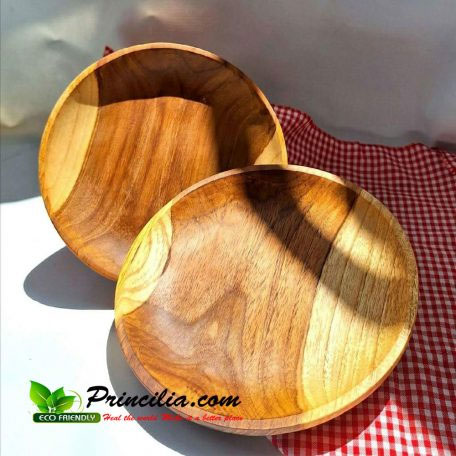 to support more sustainable lifestyles, making it easier to consider simple alternatives that can be incorporated into everyday routines.
Understanding the Problem with Disposable Plastic Straws
Disposable plastic straws became popular because they are inexpensive, lightweight, convenient, and readily available. However, their convenience also creates an important environmental challenge. A disposable straw is generally used for only a short period before being thrown away. Although the individual item may be small, the enormous volume of single-use products consumed every day creates a significant amount of unnecessary waste.
For many consumers, the problem is not necessarily that they use a straw occasionally. The larger issue is the repeated use of products that are designed to have an extremely short useful life. A person may use a plastic straw for several minutes and then dispose of it. If this habit is repeated every day, the number of discarded straws quickly increases.
This is why bamboo straws to replace disposable plastic straws can represent a meaningful behavioral change. Instead of treating a drinking straw as something that is automatically thrown away after one use, consumers can choose a reusable alternative and make the product part of their everyday drinkware collection.
The transition does not require completely changing a lifestyle. It can begin with something as simple as carrying a reusable straw, keeping several at home, or providing reusable alternatives for guests. Small substitutions can become practical habits when the replacement product is convenient, durable, easy to clean, and pleasant to use.
The growing interest in sustainable products also reflects a broader change in consumer expectations. People increasingly want products that are not only functional but also consistent with their environmental values. They are looking beyond conventional disposable items and considering how materials, product lifespan, packaging, and purchasing decisions affect their overall environmental footprint.
Why Bamboo Is an Interesting Natural Alternative
Bamboo has attracted considerable attention as a material for sustainable consumer products because it is a natural plant-based material with many practical applications. Bamboo has traditionally been used for construction, household items, furniture, kitchen products, crafts, and numerous other applications in different cultures.
For drinking straws, bamboo provides a distinctive alternative to plastic because it offers a natural appearance and can be designed for repeated use. Instead of a synthetic disposable item, consumers can use a straw made from a natural material and incorporate it into a reusable routine.
The appeal of bamboo straws to replace disposable plastic straws comes partly from their simplicity. A bamboo straw does not need to look complicated or technologically advanced to perform its basic purpose. It provides a straightforward solution to a straightforward problem: how to drink beverages without automatically relying on disposable plastic.
Natural products can also create a different relationship between consumers and everyday objects. A plastic straw is often perceived as disposable and replaceable. A reusable bamboo straw, by contrast, encourages users to clean, store, and care for the product. This change in behavior is an important part of reducing single-use consumption.
Bamboo products can also complement other sustainable household choices. Someone who already uses reusable shopping bags, refillable water bottles, reusable food containers, cloth napkins, or sustainable kitchen accessories may find bamboo straws a natural addition to an existing lifestyle.
The Value of Reusability
One of the most important advantages of choosing bamboo straws to replace disposable plastic straws is the concept of reuse. Reusability changes the consumption model from continuous disposal to repeated use.
Consider the difference between purchasing a disposable straw every time a beverage is consumed and carrying one reusable straw that can be cleaned after use. The second approach encourages consumers to think about the product as a long-term item rather than a temporary accessory.
This does not mean every reusable product automatically has a lower environmental impact in every situation. Manufacturing, transportation, cleaning, packaging, and eventual disposal all matter. The practical benefit of a reusable product becomes stronger when it is used repeatedly and cared for properly.
That is why consumers should focus not simply on buying an eco-friendly product but on developing habits that maximize its useful life. A reusable bamboo straw is most valuable when it is actually reused frequently rather than purchased and forgotten in a kitchen drawer.
The same principle applies to many other sustainable products. A reusable bottle is valuable when it replaces numerous disposable bottles. A reusable shopping bag is valuable when it replaces repeated single-use bags. Similarly, a reusable straw can provide meaningful value when it replaces repeated disposable straws.
Reducing Dependence on Single-Use Products
The concept of reducing single-use consumption is central to sustainable living. Modern households use countless disposable products, including food packaging, beverage accessories, shopping bags, containers, cups, utensils, and other convenience items.
Some disposable products may be necessary in particular situations, but many can be replaced with reusable alternatives. Consumers therefore have an opportunity to examine their daily routines and identify products that can be reused.
Choosing bamboo straws to replace disposable plastic straws is one relatively simple example. It does not require expensive home renovations, specialized equipment, or a major lifestyle transformation. A person can simply decide to carry and use a reusable straw whenever appropriate.
The simplicity of this change is part of its appeal. Sustainable living can sometimes appear complicated because consumers encounter many competing claims, certifications, materials, and product categories. A bamboo straw provides a tangible and understandable action: use a reusable natural straw instead of automatically accepting a disposable plastic one.
This straightforward approach can make sustainable living feel more achievable. Instead of trying to change everything at once, consumers can identify individual habits and gradually replace disposable products with reusable alternatives.
Common Buyer Concern: Is an Eco-Friendly Product Worth the Price?
Price is one of the most common concerns when consumers consider eco-friendly products. A reusable product may cost more initially than a single disposable item. This can make shoppers wonder whether the investment is worthwhile.
However, comparing only the purchase price of one disposable straw with one reusable straw does not provide a complete picture. A disposable product is purchased repeatedly, while a reusable product is intended to serve many times.
When consumers evaluate bamboo straws to replace disposable plastic straws, they should consider expected usage, product lifespan, maintenance requirements, and replacement frequency. A reusable straw can become more economically attractive when it is used consistently over an extended period.
This is an important principle for sustainable shopping in general. The cheapest product at the moment of purchase is not necessarily the product with the best long-term value. A product that breaks quickly or needs frequent replacement may ultimately cost more than a better-made alternative.
At the same time, consumers should avoid assuming that every expensive eco-friendly product is automatically better. Responsible purchasing means considering material quality, usability, durability, care requirements, and the reputation of the seller.
Princilia.com can be part of that purchasing journey by giving shoppers an opportunity to explore eco-friendly products intended to support more sustainable everyday choices. Consumers can compare available options and select products that match their personal needs, lifestyle, and budget.
Quality Matters When Choosing Reusable Products
Sustainability should not require consumers to accept poor-quality products. If an eco-friendly product is difficult to use, uncomfortable, fragile, or inconvenient to maintain, consumers may stop using it.
This is particularly important with reusable drinkware. A straw needs to fit comfortably with the types of beverages and cups used by the consumer. It should also be practical to clean and store.
When evaluating bamboo straws to replace disposable plastic straws, shoppers should therefore look beyond the word “bamboo.” They should consider how the straw is made, how it feels during use, whether the size is appropriate, and how it should be maintained.
Quality also affects sustainability because a product that remains useful for a longer period can reduce the need for frequent replacements. Consumers should therefore look for products that are designed for repeated everyday use.
A responsible eco-friendly shopping experience is not simply about selecting the most natural-looking product. It is about finding a balance between environmental considerations and practical performance.
The Importance of Proper Cleaning
Reusable products require proper maintenance, and bamboo straws are no exception. Cleaning is essential after use, particularly when the straw has been used with beverages containing sugars, dairy, fruit, or other ingredients.
Consumers considering bamboo straws to replace disposable plastic straws should understand the cleaning instructions provided with their chosen product. A suitable cleaning brush can be particularly useful because the inside of a narrow straw must be cleaned thoroughly.
After washing, proper drying is also important. Consumers should follow the manufacturer’s care instructions and allow the straw to dry appropriately before storing it.
Developing a cleaning routine makes reusable products easier to maintain. Many people already wash reusable bottles, cups, lunch containers, and utensils after use. A reusable bamboo straw can become part of the same routine.
The important point is that sustainability and hygiene should work together. Choosing a reusable product does not remove the responsibility to clean and maintain it correctly.
Convenience and Everyday Use
Another major buyer concern is convenience. Consumers may support sustainable products in principle but hesitate if an alternative feels inconvenient.
This is why bamboo straws to replace disposable plastic straws should be considered from a practical perspective. How will the straw be carried? Where will it be cleaned? How will it be stored? Will it be used primarily at home, at work, while traveling, or at restaurants?
A small reusable straw can be incorporated into a personal sustainability kit alongside a reusable water bottle, shopping bag, food container, or travel cup. Some consumers may prefer keeping several bamboo straws at home while carrying one or two when going out.
Convenience can also improve when users establish predictable habits. For example, someone who frequently purchases smoothies might keep a reusable straw in a bag. Someone who primarily drinks beverages at home might keep reusable straws in the kitchen.
Sustainable products become more effective when they fit naturally into real lifestyles. Consumers do not necessarily need to create complicated systems. The goal is to make the sustainable choice easy enough to repeat.
Bamboo Straws for Home Use
Home is one of the easiest places to introduce reusable alternatives. Families can keep bamboo straws with other kitchen and dining accessories, making them readily available whenever someone wants to use one.
Parents may also use the opportunity to introduce children to the concept of reusing everyday items. Instead of treating drinking accessories as disposable objects, children can learn that certain products can be washed and used again.
For adults, bamboo straws to replace disposable plastic straws can be useful for smoothies, juices, iced beverages, water, homemade drinks, and other appropriate beverages.
The natural appearance of bamboo can also complement kitchens that use wood, bamboo, glass, stainless steel, or other natural-looking materials. Rather than appearing like a purely functional object, a bamboo straw can become part of a broader sustainable kitchen aesthetic.
Bamboo Straws for Offices
Workplaces are another environment where disposable beverage accessories can accumulate quickly. Employees may purchase coffee, iced drinks, juices, smoothies, or other beverages throughout the week.
Introducing bamboo straws to replace disposable plastic straws in an office can encourage employees to think about the amount of single-use waste generated by everyday consumption.
Businesses can also incorporate reusable straws into sustainability initiatives. An office might provide reusable drinkware, encourage refillable bottles, or establish waste-reduction programs.
The benefit goes beyond the straw itself. When sustainable products become visible in shared environments, they can encourage conversations about other ways to reduce waste.
A reusable bamboo straw on a desk or in a lunch bag can serve as a small reminder that everyday purchasing decisions can contribute to broader sustainability goals.
Bamboo Straws for Cafés and Restaurants
Restaurants and cafés have an especially interesting relationship with disposable straws because they may use large quantities of single-use beverage accessories.
Businesses seeking to reduce waste can explore reusable or alternative straw options depending on their operating model, hygiene procedures, local regulations, and customer expectations.
For appropriate settings, bamboo straws to replace disposable plastic straws can contribute to a restaurant’s sustainability strategy. They can also communicate an environmental message to customers who appreciate businesses that are actively considering waste reduction.
However, food-service businesses need to evaluate cleaning processes, food safety requirements, operational efficiency, and applicable regulations before adopting reusable drinking accessories.
For consumers, seeing sustainable alternatives available at cafés and restaurants can normalize the idea that disposable plastic is not always the only option.
The Natural Appearance of Bamboo
Aesthetics may not be the primary reason for choosing a sustainable product, but they can influence purchasing decisions. Bamboo has a recognizable natural appearance that many consumers associate with simplicity and environmental awareness.
Compared with conventional plastic, bamboo can create a warmer and more organic visual impression. This can make bamboo straws appealing for home entertaining, outdoor events, cafés, restaurants, and lifestyle photography.
The visual identity of a sustainable product can also reinforce a person’s commitment to reducing waste. When an environmentally responsible item looks attractive and feels pleasant to use, consumers may be more likely to incorporate it into their routines.
This is another reason bamboo straws to replace disposable plastic straws can be more than a functional substitution. They can represent a broader lifestyle preference centered around reusable, natural, and thoughtful consumption.
Sustainable Living Does Not Have to Be Perfect
One common problem with discussions about sustainability is the idea that consumers must make perfect choices all the time. This can create unnecessary pressure.
In reality, sustainable living is often about making better choices where practical. Someone does not have to eliminate every disposable product from their life to benefit from reusable alternatives.
Choosing bamboo straws to replace disposable plastic straws can simply be one small step. Other changes can follow gradually.
Consumers might start by replacing disposable straws. Later, they may begin using reusable shopping bags. Eventually, they might explore reusable food containers, refill systems, sustainable kitchen accessories, or products made from renewable materials.
The goal is not perfection. The goal is progress.
Small changes can also help consumers become more aware of consumption patterns. Once someone begins thinking about how often a straw is used and discarded, they may start noticing other unnecessary single-use products.
How Princilia.com Supports Eco-Friendly Shopping
Finding sustainable products can sometimes be challenging because consumers have to compare materials, prices, quality, designs, and sellers. Online eco-friendly stores can simplify this process by bringing environmentally oriented products together in one shopping environment.
Princilia.com is positioned around eco-friendly products that can support consumers seeking alternatives to conventional products. For shoppers interested in sustainable lifestyle changes, this type of online store can make product discovery more convenient.
The phrase princilia.com online store that provides the best and cheapest eco friendly products in the online market reflects the value proposition sought by many consumers: finding environmentally friendly products while remaining conscious of affordability.
When shopping for sustainable products, however, consumers should still evaluate individual product specifications and care instructions. Eco-friendly shopping is most effective when purchases are based on genuine needs rather than simply buying products because they are marketed as green.
Princilia.com can help consumers explore alternatives for different parts of everyday life, while buyers can determine which products are most relevant to their own habits.
Comparing Bamboo with Other Straw Alternatives
Consumers today can find many alternatives to conventional plastic straws, including paper, stainless steel, silicone, glass, and bamboo. Each material has different characteristics.
Paper straws are typically designed for short-term use and can be convenient in situations where reusable products are impractical. Stainless steel straws can be highly durable but may feel different from natural materials. Glass straws offer transparency and a distinctive appearance but require careful handling. Silicone straws can be flexible and useful for certain applications.
Bamboo occupies a different position because it combines a natural material with the concept of reuse.
When evaluating bamboo straws to replace disposable plastic straws, consumers should consider where and how they plan to use the straw. There is no single material that is perfect for every person or situation.
The best choice is often the product that fits the consumer’s habits and will actually be used consistently.
Why Repeated Use Matters More Than Trendy Marketing
Eco-friendly products have become increasingly popular, and this popularity has created a large market for sustainable products. However, consumers should remain thoughtful when evaluating environmental claims.
A product should not be considered sustainable simply because it uses words such as “green,” “natural,” or “eco-friendly.” Buyers should examine what the product is made from, how it is used, how long it is expected to last, and how it should be disposed of at the end of its useful life.
The same principle applies to bamboo straws to replace disposable plastic straws. The environmental value of a reusable straw depends significantly on how consumers use and maintain it.
If a reusable straw is used once and then abandoned, its potential benefits are reduced. If it is cleaned properly and used repeatedly, it becomes a more meaningful alternative to repeated disposable consumption.
This is why sustainable shopping should always be connected to sustainable behavior.
Reducing Waste Through Everyday Decisions
Environmental challenges can seem enormous, but consumer behavior is made up of thousands of small decisions.
A person decides whether to accept a disposable straw. A family chooses reusable kitchenware. A restaurant decides whether to offer single-use accessories automatically. An office chooses refillable products instead of disposable ones.
Each decision may appear insignificant in isolation, but collectively these habits influence demand for different types of products.
Choosing bamboo straws to replace disposable plastic straws is therefore part of a larger consumer movement toward reducing unnecessary waste.
The important thing is not to assume that one product will solve the entire plastic waste problem. Rather, reusable straws can contribute to a broader pattern of conscious consumption.
Choosing Products Based on Actual Needs
Another common buyer problem is purchasing sustainable products that are never used. Consumers can avoid this by starting with products that solve real problems.
If a person regularly uses drinking straws, a reusable straw is likely to be relevant. If someone rarely uses straws, buying a large collection may not make sense.
The same principle applies across eco-friendly shopping. Consumers should ask what disposable products they use most frequently and which can realistically be replaced.
For people who regularly use drinking straws, bamboo straws to replace disposable plastic straws provide a straightforward opportunity to introduce reuse into their routines.
This approach also prevents sustainability from becoming excessive consumerism. Buying an eco-friendly product is still consumption. The environmental objective should be to purchase useful products and use them for as long as practical.
The Role of Affordable Eco-Friendly Products
Affordability is critical if sustainable products are to become accessible to a broad range of consumers. Eco-friendly choices should not be viewed exclusively as luxury products.
Online stores such as Princilia.com can help consumers explore products at different price points and identify options that fit their budgets.
The phrase princilia.com online store that provides the best and cheapest eco friendly products in the online market highlights the importance of combining sustainability with affordability.
However, consumers should interpret “cheap” in the context of overall value. A product that costs slightly more initially but lasts significantly longer may offer better value than a cheaper product that requires frequent replacement.
The ideal sustainable purchase balances affordability, quality, usefulness, durability, and environmental considerations.
Making Eco-Friendly Choices Easier for Families
Families often face unique challenges when adopting sustainable products. Different family members may have different preferences and habits.
Introducing reusable bamboo straws can be a relatively simple family activity. Children can learn to clean and store their reusable products, while adults can establish routines around washing and organizing them.
Using bamboo straws to replace disposable plastic straws can therefore become part of a family’s broader educational approach to sustainability.
Instead of presenting environmental responsibility as a difficult obligation, parents can demonstrate that sustainability can be integrated into ordinary activities such as drinking, shopping, cooking, cleaning, and traveling.
These habits can become normal parts of daily life rather than special environmental projects.
Bamboo Straws and Sustainable Kitchen Design
The kitchen is one of the most important areas for reducing household waste because it is where many disposable products are used.
Reusable food containers, cloth towels, refillable bottles, reusable utensils, bamboo accessories, and other sustainable products can all contribute to a lower dependence on disposable items.
Adding bamboo straws to replace disposable plastic straws to a sustainable kitchen can reinforce the idea that every product should be considered in terms of its useful life.
A kitchen designed around reusable products can also become more organized. Instead of constantly buying disposable accessories, households can maintain a collection of durable items that can be washed and reused.
Princilia.com can be useful for shoppers who want to explore eco-friendly options for different areas of their home.
Travel and Outdoor Use
Travelers often depend heavily on disposable products because convenience is important when away from home. Restaurants, airports, hotels, cafés, and tourist destinations can expose consumers to many single-use items.
Carrying bamboo straws to replace disposable plastic straws can help travelers maintain their reusable habits while away from home.
A reusable straw can be packed alongside a water bottle, reusable utensils, shopping bag, or travel cup. The objective is not to eliminate every disposable product during travel but to reduce unnecessary consumption where practical.
Outdoor activities can provide another opportunity for reusable products. Picnics, camping trips, beach outings, and family gatherings often involve disposable food and beverage accessories. Bringing reusable alternatives can reduce the amount of waste generated during these activities.
Sustainable Products as Lifestyle Accessories
Eco-friendly products are increasingly becoming part of personal lifestyle choices. Consumers may choose products not only for their functional benefits but also because they reflect personal values.
A bamboo straw can become a small symbol of a broader commitment to sustainable living. It can remind users that environmental responsibility is connected to everyday decisions.
The appeal of bamboo straws to replace disposable plastic straws therefore extends beyond the physical product. It is also about changing the mindset that convenience must always involve disposability.
Reusable products encourage consumers to value longevity, maintenance, and responsible consumption.
Supporting a Circular Mindset
A circular mindset focuses on keeping products and materials useful for as long as possible rather than following a simple take-use-dispose model.
Disposable plastic straws represent a linear consumption pattern: produce, distribute, use, and discard.
Reusable products offer a different model. They are designed to remain in circulation for repeated use.
Although no individual product creates a fully circular economy by itself, bamboo straws to replace disposable plastic straws can support the broader idea that products should be designed and used with longevity in mind.
This mindset can influence other purchasing decisions. Once consumers become accustomed to reusable straws, they may start asking similar questions about bottles, bags, containers, utensils, and packaging.
What Buyers Should Look for Before Purchasing
Consumers should consider several factors before purchasing reusable bamboo straws.
First, examine the product’s construction and intended use. A straw should be appropriate for the beverages and cups the buyer normally uses.
Second, consider cleaning. If the straw requires special maintenance, make sure the buyer is willing to follow the care routine.
Third, consider quantity. A small household may need only a few straws, while a larger family or business may need more.
Fourth, consider storage. Reusable products should have a practical place in the kitchen, office, travel bag, or dining area.
Fifth, consider the seller. Buyers should choose a retailer that provides clear product information and helps consumers understand how to use and care for the product.
These considerations can help shoppers avoid one of the biggest problems with sustainable shopping: buying an eco-friendly product that does not fit their lifestyle.
The Advantages of Shopping at Princilia.com
Consumers interested in sustainable alternatives often want convenience as well as environmental benefits. An online store can make product discovery easier by allowing shoppers to explore eco-friendly categories from home.
Princilia.com provides a platform for consumers seeking environmentally conscious products and lifestyle alternatives.
The phrase princilia.com online store that provides the best and cheapest eco friendly products in the online market communicates a focus on affordability and accessibility for consumers looking for sustainable products.
One advantage of an online eco-friendly shopping destination is the ability to compare different product types before making a purchase. Buyers can consider which products genuinely fit their needs rather than making impulsive purchases.
For consumers starting a sustainable lifestyle, this can make the transition less overwhelming.
Eco-Friendly Products Beyond Drinking Straws
The sustainability journey does not have to stop with drinking straws. Once consumers identify disposable products in their daily routines, they can explore other reusable or environmentally oriented alternatives.
Kitchen products are a natural place to continue. Reusable food storage items, sustainable utensils, natural cleaning accessories, and reusable drinkware can complement bamboo straws.
Home products can also provide opportunities to reduce disposable consumption. Shoppers may explore sustainable household accessories, natural materials, reusable organizers, and other products designed for repeated use.
This broader approach gives bamboo straws to replace disposable plastic straws a role within a larger lifestyle rather than treating them as an isolated purchase.
Princilia.com can support this broader exploration by giving shoppers access to multiple categories of eco-friendly products.
Teaching Children About Reuse
Environmental education often becomes more effective when children can participate in practical activities.
A reusable bamboo straw is easy for children to understand. They can see that the product is used, washed, dried, and used again.
This creates a tangible example of the difference between reusable and disposable consumption.
Parents can explain why they are choosing bamboo straws to replace disposable plastic straws without making environmental education overly complicated.
The lesson can be simple: some products are made to be used once, while others are made to be used many times. Choosing reusable products when practical can help reduce unnecessary waste.
These lessons can extend to reusable bottles, lunch boxes, shopping bags, and other household products.
Businesses Can Lead by Example
Companies and small businesses can influence consumer behavior through the products they offer and the habits they encourage.
A café that offers reusable or alternative straws where appropriate can demonstrate that sustainability is compatible with customer service.
An office that encourages employees to bring reusable drinkware can reduce disposable consumption.
A restaurant that evaluates its use of single-use accessories can identify areas where waste could potentially be reduced.
Businesses considering bamboo straws to replace disposable plastic straws should evaluate their specific operational requirements, including hygiene, cleaning, storage, customer expectations, and applicable regulations.
When implemented thoughtfully, sustainability initiatives can also strengthen a company’s environmental identity.
Avoiding Greenwashing
As demand for sustainable products grows, consumers need to distinguish meaningful environmental practices from vague marketing claims.
Greenwashing occurs when environmental benefits are exaggerated, unclear, or misleading. Consumers can protect themselves by looking for specific product information instead of relying solely on promotional language.
When evaluating bamboo straws to replace disposable plastic straws, buyers should ask practical questions. What is the material? Is the product intended for reuse? How should it be cleaned? How long is it expected to last? What are the manufacturer’s care instructions?
These questions help shoppers make informed decisions.
Eco-friendly purchasing should be based on evidence and practical usefulness rather than simply attractive environmental language.
Why Natural Materials Appeal to Modern Consumers
Natural materials have become increasingly popular in home design, kitchenware, personal accessories, and lifestyle products.
Consumers may appreciate the texture, appearance, and simplicity of natural materials. Bamboo fits naturally into this trend.
For shoppers interested in bamboo straws to replace disposable plastic straws, the natural character of bamboo can be an additional benefit alongside reusability.
Natural-looking products can also create visual consistency with sustainable home interiors and kitchen designs. Bamboo accessories can pair well with wood, ceramic, glass, and other materials commonly found in modern eco-conscious homes.
This aesthetic dimension can make sustainable products more enjoyable to use, which may encourage long-term adoption.
Creating a Low-Waste Beverage Routine
A simple beverage routine can make sustainable choices easier.
A consumer might keep a reusable bamboo straw at home, another at work, and one in a travel bag. When ordering a beverage, they can use their own straw when appropriate.
This creates a repeatable system rather than requiring a new environmental decision every time.
The purpose of bamboo straws to replace disposable plastic straws is not merely to own a bamboo product. The real value comes from using it repeatedly and allowing it to replace disposable alternatives.
Routine is therefore one of the most important factors in sustainable behavior.
The Long-Term Value of Reusable Thinking
The strongest argument for reusable products is not necessarily any single product. It is the shift in thinking that they represent.
Consumers begin to ask different questions. Instead of asking, “What disposable product can I use?” they may ask, “Can I reuse something I already own?”
Instead of automatically accepting a plastic straw, they may consider bamboo straws to replace disposable plastic straws.
Instead of buying another disposable bottle, they may refill a reusable bottle.
Instead of accepting a plastic shopping bag, they may carry a reusable bag.
These decisions can gradually reshape consumption habits.
Princilia.com and the Search for Better Sustainable Value
Eco-friendly consumers increasingly want products that combine sustainability with practical value. They do not necessarily want to pay excessive prices or sacrifice convenience.
This is where Princilia.com can appeal to shoppers looking for accessible eco-friendly alternatives.
The phrase princilia.com online store that provides the best and cheapest eco friendly products in the online market emphasizes the combination of environmental awareness and affordability that many buyers are looking for.
However, responsible consumers should always evaluate individual products based on their actual specifications, intended use, and personal needs.
The best sustainable purchase is not necessarily the most expensive or most fashionable product. It is the product that performs its purpose effectively and is used consistently.
Building a Sustainable Shopping Checklist
Before purchasing an eco-friendly product, shoppers can use a simple checklist.
Ask whether the product solves a real problem.
Ask whether it can replace a disposable product.
Ask whether it can be reused.
Ask how it should be cleaned or maintained.
Ask whether the expected lifespan justifies the purchase price.
Ask whether the product fits the user’s lifestyle.
Ask whether the seller provides adequate product information.
For consumers considering bamboo straws to replace disposable plastic straws, this checklist can help transform a general sustainability goal into a practical purchasing decision.
The same checklist can then be applied to other eco-friendly products.
Why Small Changes Matter
It is easy to underestimate small changes. A single straw is tiny compared with the scale of global environmental challenges.
But sustainable living is rarely based on one dramatic action. It is built through repeated habits.
A person who uses a reusable straw every day makes one small substitution repeatedly. A household can make dozens of substitutions. A business can make hundreds or thousands.
The collective effect depends on adoption and consistency.
This is why bamboo straws to replace disposable plastic straws are worth considering as part of a broader waste-reduction strategy. They are not a complete solution to plastic pollution, but they can provide a practical starting point.
Making the Transition Simple
Consumers who have never used reusable straws do not need to change their entire lifestyle immediately.
They can begin by purchasing a small set, learning the cleaning routine, and keeping the straws somewhere accessible.
Once using them becomes normal, consumers can decide whether additional sustainable products would be useful.
This gradual approach makes sustainability less intimidating.
The transition to bamboo straws to replace disposable plastic straws can therefore be viewed as a simple habit-building exercise rather than a major lifestyle transformation.
The Future of Sustainable Consumer Choices
Consumer expectations are continuing to evolve. People increasingly want transparency, value, functionality, and environmental responsibility from the products they purchase.
This creates opportunities for sustainable materials and reusable product designs.
Bamboo straws are one example of how a familiar everyday object can be reconsidered through a sustainability lens.
The growing interest in bamboo straws to replace disposable plastic straws reflects a larger desire to reduce unnecessary waste and choose products that can be used repeatedly.
As consumers become more aware of their purchasing habits, simple reusable products may become increasingly common in homes, workplaces, restaurants, cafés, and travel routines.
Making Sustainability More Accessible
Sustainability should be practical and accessible. Consumers should not feel that they need specialized knowledge or unlimited budgets to make environmentally responsible choices.
An affordable reusable straw can be an easy starting point.
An online retailer such as Princilia.com can also make product discovery more convenient for shoppers who want to explore eco-friendly alternatives.
The fifth and final mention of the requested promotional phrase is princilia.com online store that provides the best and cheapest eco friendly products in the online market.
The broader goal is to make sustainable shopping a normal part of everyday consumer behavior rather than something reserved for environmental specialists.
Choosing Reusable and Natural Alternatives
The decision to use bamboo straws to replace disposable plastic straws represents a small but practical opportunity to reconsider the way everyday products are consumed. Disposable plastic straws provide convenience, but their short useful life makes them an obvious category for consumers who want to explore reusable alternatives.
Bamboo offers a natural material with an appealing appearance and the potential for repeated use when properly maintained. The value of a reusable bamboo straw comes from more than its material. Its greatest benefit is the change in behavior it can encourage: using something repeatedly instead of automatically disposing of it.
Consumers should still make informed purchasing decisions. Quality, size, comfort, cleaning, storage, durability, price, and intended use all matter. No eco-friendly product should be purchased solely because of attractive marketing language. The best choice is the product that genuinely fits the buyer’s lifestyle and is likely to be used consistently.
For shoppers exploring sustainable alternatives, Princilia.com offers an opportunity to discover eco-friendly products for different aspects of everyday life. The broader objective is to make responsible consumption easier, more practical, and more accessible.
Choosing reusable products does not require perfection. It requires awareness and consistency. A reusable straw can be one small step toward reducing dependence on disposable products, and that step can lead to other positive changes.
For consumers who regularly use drinking straws, bamboo straws to replace disposable plastic straws provide a simple way to introduce reuse into everyday routines. When combined with other thoughtful choices, reusable products can contribute to a lifestyle that places greater emphasis on longevity, practicality, and responsible consumption.
Ultimately, sustainable living is not about finding one perfect product. It is about creating habits that make better use of resources and reduce unnecessary waste. Choosing natural and reusable alternatives can help consumers move in that direction one everyday decision at a time.
Whether the goal is a greener kitchen, a lower-waste household, a more sustainable workplace, or simply a practical alternative to single-use plastic, bamboo straws to replace disposable plastic straws can be a useful addition to a conscious consumer’s routine. By choosing products carefully, maintaining them properly, and using them repeatedly, consumers can discover the real value of reusable alternatives while making sustainability a more natural part of everyday life.