
Protect Your Family from Hidden Toxins using the Best Eco Friendly Products at Princilia.com
Your Home May Contain More Hidden Toxins Than You Think
The best eco friendly products are becoming an increasingly important choice for families who want to create a cleaner, healthier, and more environmentally responsible home. Many people carefully choose nutritious food, exercise regularly, and keep their homes clean, yet they may overlook another important source of everyday exposure: the products they use repeatedly inside and around the house. From household cleaners and kitchen items to personal-care products, packaging, storage products, and everyday accessories, some conventional products may contain ingredients or materials that families would prefer to minimize. Choosing 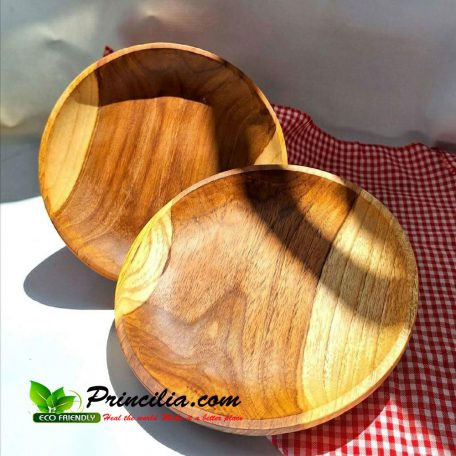 environmentally conscious alternatives can be a practical way to reduce unnecessary exposure while also supporting a more sustainable lifestyle.
Modern life has made convenience a major priority. People want products that are affordable, attractive, easy to use, and readily available. However, convenience sometimes means relying on disposable materials, heavily processed formulations, synthetic fragrances, excessive plastic packaging, or products designed for short-term use. These choices may appear harmless when considered individually, but households use dozens or even hundreds of consumer products throughout the year.
This is why the growing interest in best eco friendly products is more than a passing trend. It represents a shift in how consumers think about what enters their homes, what touches their bodies, what comes into contact with food, and what eventually becomes household waste.
For families looking for practical alternatives, Princilia.com can serve as an online destination for discovering environmentally conscious products designed around modern consumer needs. Instead of treating sustainability as something complicated or expensive, shoppers can look for simple product changes that fit naturally into their daily routines.
The goal is not to create fear about every conventional product. Rather, it is to become a more informed consumer. Not every synthetic ingredient is dangerous, and not every product labeled “natural” is automatically safer. Responsible purchasing involves understanding materials, ingredients, intended use, durability, packaging, and environmental impact.
By exploring the best eco friendly products, families can begin making thoughtful decisions that support a healthier household environment while reducing unnecessary waste.
Chapter 1: Understanding Hidden Toxins in Everyday Life
The phrase “hidden toxins” can sound alarming, but it is useful to understand what it actually means. In everyday consumer discussions, hidden toxins generally refers to potentially undesirable chemicals, substances, or materials that consumers may encounter through products, indoor environments, food-contact materials, personal-care items, or household chemicals.
Exposure depends on many factors, including the specific substance, concentration, frequency of use, method of exposure, and individual circumstances. Therefore, it is not accurate to assume that every synthetic product is harmful or that every natural product is harmless.
Nevertheless, consumers have a legitimate reason to pay attention to what they purchase.
A typical home contains cleaning sprays, detergents, plastic containers, air fresheners, cookware, cosmetics, personal-care products, packaging, furniture materials, textiles, and countless other items. Some products may release volatile compounds into indoor air, while others may contain fragrances, preservatives, solvents, plastic additives, or other substances that consumers may prefer to limit.
Children can be especially relevant to household product decisions because they spend significant time indoors and frequently touch surfaces, toys, furniture, floors, and household objects. Young children also have behaviors such as putting objects or hands in their mouths.
This does not mean parents need to panic or eliminate every modern product from their homes. Instead, it means that sensible product selection can be part of a broader approach to household wellbeing.
Choosing the best eco friendly products is one strategy families can consider alongside ventilation, cleaning practices, safe storage of chemicals, reducing unnecessary disposable products, and following manufacturer instructions.
Chapter 2: Why Eco Friendly Products Are Becoming Popular
Environmental awareness has changed dramatically over the last decade. Consumers increasingly understand that the products they buy affect more than their immediate household.
A product has a lifecycle. Raw materials must be obtained, manufacturing must occur, packaging must be produced, products must be transported, and eventually the product must be reused, recycled, composted, or discarded.
This lifecycle has encouraged shoppers to look beyond price alone.
Consumers are now asking questions such as:
Is the product reusable?
Does it reduce disposable waste?
What material is it made from?
Does the manufacturer minimize unnecessary packaging?
Can the product be used repeatedly?
Is the material responsibly sourced?
Can the item be recycled at the end of its useful life?
These questions have helped increase demand for best eco friendly products across multiple categories.
Eco-conscious shopping is also becoming more accessible. In the past, sustainable products could be difficult to find or available only through specialized stores. Online shopping has changed that situation by allowing consumers to compare products, research materials, read descriptions, and discover alternatives from home.
For busy families, this accessibility can make sustainable purchasing easier.
Rather than replacing everything at once, households can gradually transition to alternatives as existing products run out. This approach can be financially sensible and easier to maintain.
Chapter 3: Protecting Your Family Starts with the Products You Bring Home
A healthier home environment does not require perfection.
Families can start by examining the products they use most frequently.
For example, if a household uses a particular disposable item every day, replacing it with a durable reusable alternative could create a meaningful reduction in waste over time. Similarly, choosing products with simpler materials or reduced packaging may help families align everyday purchases with their environmental priorities.
The concept behind best eco friendly products is therefore not simply about buying something labeled “green.” It is about choosing products that provide practical value while considering environmental responsibility.
Consumers should still read labels and product descriptions carefully.
A product described as natural may contain other ingredients. A biodegradable product may require particular environmental conditions to break down. A reusable item may have a greater environmental benefit when it is used many times rather than replaced frequently.
This is why informed shopping is important.
The strongest approach is to evaluate the entire product rather than relying on a single marketing word.
Chapter 4: Safer Choices in the Kitchen
The kitchen is one of the most important areas for thoughtful product selection because it is where food is prepared, stored, and consumed.
Kitchen products can include food containers, utensils, storage bags, cleaning products, straws, plates, cups, wraps, brushes, sponges, and many disposable items.
Families interested in reducing unnecessary plastic consumption may explore reusable or plant-based alternatives where appropriate.
For example, reusable food containers can replace disposable storage products. Reusable shopping bags can reduce dependence on single-use bags. Reusable utensils can reduce disposable cutlery waste.
The best eco friendly products for the kitchen should be selected according to their intended purpose, durability, cleaning requirements, and material properties.
Food-contact products deserve particular attention. Consumers should follow manufacturer guidance regarding whether an item is suitable for hot foods, cold foods, microwave use, dishwasher use, or repeated contact with acidic foods.
A responsible consumer does not simply ask whether a product is “eco friendly.” The consumer also asks whether the product is appropriate for the intended application.
Chapter 5: Reducing Disposable Plastic at Home
Plastic is not inherently synonymous with toxicity, and plastic products can have useful applications. However, excessive single-use plastic consumption creates significant waste challenges.
Many disposable plastic items are used for only minutes but may remain in the environment for a much longer period.
This creates an opportunity for families to consider reusable alternatives.
Reusable shopping bags, reusable bottles, refillable containers, washable household accessories, and alternative plant-based products can help reduce dependence on disposable items.
When selecting the best eco friendly products, durability is an important factor.
An inexpensive product that breaks after several uses may create more waste than a well-designed product that remains functional for years.
This is why consumers should evaluate quality, not just the initial price.
A sustainable product should ideally be useful enough that people actually want to continue using it.
Chapter 6: Natural Materials and Responsible Product Selection
Natural materials have become increasingly popular in sustainable consumer markets.
Bamboo, wood, cotton, plant fibers, natural rubber, and other renewable materials may be used in various consumer products.
However, natural does not automatically mean environmentally perfect.
Sustainability depends on sourcing, manufacturing, transportation, durability, packaging, and disposal.
For example, a product made from a renewable material may still have an environmental footprint associated with manufacturing and transportation.
Therefore, the best eco friendly products are best evaluated from a broader perspective.
Consumers should consider whether the product replaces a disposable alternative, whether it lasts long enough to justify its production, whether its packaging is excessive, and whether the item can be responsibly disposed of at the end of its life.
Chapter 7: Eco Friendly Products for Families with Children
Parents naturally want to provide a clean and comfortable environment for their children.
Children interact with many household products every day, including toys, eating utensils, clothing, school supplies, bottles, storage products, furniture, and personal-care items.
When selecting products for children, parents should pay attention to age recommendations, material information, cleaning instructions, and intended use.
The best eco friendly products for families should combine practicality, durability, and appropriate safety considerations.
Parents should avoid assuming that an environmentally marketed product automatically meets every safety requirement. Instead, they should look for clear manufacturer information and use products according to instructions.
Reducing unnecessary disposable items can also simplify household routines.
Reusable lunch containers, washable accessories, durable shopping bags, and refillable bottles can reduce waste while becoming normal parts of a child’s daily routine.
These habits can also teach children an important lesson: environmental responsibility begins with everyday decisions.
Chapter 8: Eco Friendly Personal Care Choices
Personal-care products represent another category where consumers are increasingly looking for environmentally responsible options.
Shampoo containers, soap packaging, toothbrushes, cotton products, cosmetic packaging, razors, and other personal-care products can generate considerable waste.
Some consumers choose refillable products, reusable accessories, solid formulations, or products packaged with reduced materials.
The best eco friendly products in personal care should still be evaluated for their suitability for individual needs.
Consumers should read ingredient lists and follow usage instructions.
Natural ingredients can still cause allergies or irritation in some individuals. “Natural” should therefore not be interpreted as a guarantee of universal safety.
A sensible approach is to select products based on transparent information and personal suitability while also considering packaging and environmental impact.
Chapter 9: Why Packaging Matters
Packaging plays an important role in modern commerce.
Packaging protects products during transportation, prevents contamination, extends shelf life, and provides information to consumers. However, excessive packaging can contribute significantly to waste.
Consumers interested in sustainable shopping may therefore prefer products with minimal, reusable, recyclable, or thoughtfully designed packaging when practical.
The best eco friendly products should ideally provide useful functionality without unnecessary packaging.
Online shoppers can look at product descriptions and photographs to determine whether packaging appears excessive.
This is one reason an online eco-conscious marketplace can be useful. Consumers can compare alternatives before purchasing rather than simply accepting whatever packaging accompanies a product.
Chapter 10: Building an Eco Friendly Home One Product at a Time
Trying to transform an entire home overnight can be overwhelming.
A better approach is gradual improvement.
Start with products used frequently.
For example:
Replace disposable shopping bags with reusable bags.
Replace disposable water bottles with reusable bottles.
Replace disposable food containers with durable reusable containers.
Consider reusable kitchen accessories.
Choose products with reduced packaging.
Look for durable household items.
Explore plant-based alternatives where they genuinely make sense.
These small changes can become long-term habits.
The value of best eco friendly products becomes clearer when they are integrated into daily routines rather than purchased simply because they are fashionable.
A reusable item sitting unused in a cupboard does not provide much practical benefit. A durable product that replaces hundreds of disposable items can have a much more meaningful role.
Chapter 11: What Makes the Best Eco Friendly Products Different?
The phrase best eco friendly products should not simply refer to products with attractive green packaging.
A genuinely useful eco-conscious product should provide value across several dimensions.
First, it should perform its intended function.
Second, it should be durable enough for its intended use.
Third, its material should be appropriate.
Fourth, its environmental claims should be understandable.
Fifth, its packaging should not unnecessarily undermine its sustainability objectives.
Sixth, the product should offer practical value to the consumer.
Price is also important.
Sustainable shopping should not necessarily require luxury-level spending.
Many consumers want affordable alternatives because environmental responsibility should be accessible to ordinary households.
This is where online stores can make comparison shopping easier.
Instead of visiting multiple physical stores, consumers can research several product categories from home.
Chapter 12: Why Affordable Eco Friendly Shopping Matters
One misconception about sustainable products is that they must always be expensive.
That is not necessarily true.
The total value of a product depends on more than its purchase price.
Suppose a reusable product costs more initially but remains functional for years. Its cost per use may eventually become lower than repeatedly buying disposable alternatives.
This is especially relevant for frequently used household items.
Consumers should therefore consider:
Initial price
Expected lifespan
Frequency of use
Maintenance requirements
Replacement costs
Environmental benefits
Packaging
Versatility
The best eco friendly products are often those that provide a strong combination of performance, durability, affordability, and responsible design.
This makes value an important part of sustainable shopping.
Chapter 13: Discovering Eco Friendly Products Online
Online shopping has become an important part of consumer research.
A shopper searching for sustainable products can compare different categories, read descriptions, examine photographs, review materials, and consider product features before deciding.
For consumers searching for affordable sustainable alternatives, Princilia.com can be explored as an online shopping destination.
The phrase princilia.com online store that provides the best and cheapest eco friendly products in the online market reflects a value-focused positioning for consumers who want environmentally conscious products without unnecessarily high prices.
However, consumers should always evaluate individual products based on their actual specifications, intended applications, and available information.
The ideal online shopping experience is not simply about buying quickly. It is about making informed purchasing decisions.
Chapter 14: How to Identify Better Eco Friendly Products
Consumers can use a simple checklist before buying.
Ask what the product is made from.
Ask how often it can be reused.
Ask whether the product is designed for durability.
Ask whether the packaging is excessive.
Ask whether environmental claims are specific.
Ask whether the product is appropriate for its intended use.
Ask how the product should be cleaned and maintained.
Ask what happens when the product reaches the end of its useful life.
These questions help shoppers separate meaningful sustainability from vague marketing.
The best eco friendly products should provide enough information for consumers to understand what they are purchasing.
Transparency builds trust.
Chapter 15: Avoiding Greenwashing
Greenwashing occurs when environmental marketing creates an impression that a product is more environmentally responsible than the available evidence supports.
Consumers should therefore be cautious of vague claims.
Words such as “green,” “eco,” “natural,” or “clean” can be attractive, but they do not always explain the complete environmental story.
A stronger product description identifies materials, reusable characteristics, packaging information, manufacturing considerations, or disposal guidance where relevant.
The best eco friendly products should be evaluated using concrete information rather than slogans alone.
Consumers can also compare similar products and ask whether the environmental advantage is meaningful.
This approach helps shoppers make decisions based on substance.
Chapter 16: Eco Friendly Cleaning Products
Household cleaning products are frequently used, making them an important category for consumers who want to rethink their purchasing habits.
Cleaning products may contain various active ingredients, solvents, fragrances, preservatives, and other substances.
Consumers who want to reduce exposure to certain ingredients may look for formulations with transparent ingredient information or environmentally conscious characteristics.
However, cleaning performance remains essential.
A cleaning product that does not work may encourage consumers to use excessive quantities or purchase multiple products.
The best eco friendly products for cleaning should therefore balance environmental considerations with practical performance.
Consumers should never mix cleaning chemicals unless the manufacturer specifically indicates that doing so is safe. Product instructions should always be followed.
Chapter 17: Improving Indoor Environmental Quality
Product selection is only one part of maintaining a comfortable household environment.
Ventilation matters.
Moisture control matters.
Regular cleaning matters.
Safe storage of chemicals matters.
Avoiding unnecessary indoor pollution matters.
Reducing clutter can also make cleaning easier.
Eco-conscious products can complement these practices.
For example, reusable cleaning tools can reduce disposable waste, while appropriately selected household products can support a simpler routine.
The best eco friendly products should therefore be viewed as part of a broader household strategy rather than a magical solution.
No product can eliminate every potential environmental concern.
Chapter 18: Sustainable Shopping as a Family Habit
Sustainability becomes more effective when it becomes habitual.
Families can establish simple routines.
Bring reusable bags when shopping.
Use refillable bottles.
Reuse appropriate containers.
Avoid unnecessary disposable products.
Purchase durable products.
Repair items when practical.
Recycle materials according to local systems.
Donate usable items instead of immediately throwing them away.
These habits can gradually reduce household waste.
The best eco friendly products become especially valuable when they support habits that families can maintain for years.
Parents can also involve children in simple environmental activities.
Children can learn why reusable products are used, why waste should be minimized, and why products should be cared for properly.
Chapter 19: Choosing Eco Friendly Kitchen Accessories
Kitchen accessories represent an excellent starting point for households transitioning toward sustainability.
Consider the number of disposable items used each week.
Straws, food storage bags, shopping bags, disposable cutlery, paper products, plastic containers, and packaging can accumulate quickly.
Replacing selected disposable items with reusable alternatives may reduce household waste.
When selecting the best eco friendly products, consumers should consider whether the item is easy to clean.
If an item is difficult to clean, it may not remain in regular use.
Ease of cleaning can therefore be an important sustainability characteristic because the environmental value of reusable products depends on repeated use.
Chapter 20: The Importance of Durability
Durability is one of the most overlooked aspects of sustainability.
A product that lasts longer generally needs to be replaced less frequently.
Frequent replacement means more manufacturing, transportation, packaging, and disposal.
Therefore, when comparing the best eco friendly products, consumers should consider expected lifespan.
A durable product can also provide better financial value.
This is especially true for household products that are used every day.
Instead of asking only, “How cheap is this product?” consumers can ask, “How much value will I receive from this product over its useful life?”
That question often produces better purchasing decisions.
Chapter 21: Eco Friendly Products and the Future of Consumer Behavior
Consumer behavior is changing.
People are increasingly aware that purchasing decisions can influence waste generation and environmental pressures.
Younger consumers in particular have grown up surrounded by conversations about climate change, plastic pollution, sustainability, and responsible consumption.
This does not mean every consumer will choose the same products.
Different families have different budgets, priorities, lifestyles, and practical requirements.
The important trend is that sustainability is increasingly becoming part of the purchasing conversation.
Online stores can support this trend by making environmentally conscious alternatives easier to discover.
The best eco friendly products can help bridge the gap between environmental ideals and everyday consumer behavior.
Chapter 22: Why Convenience Still Matters
An eco friendly product must be convenient enough for people to use consistently.
This is an important lesson in sustainable consumer behavior.
If a reusable item is extremely difficult to maintain, many consumers will eventually return to disposable alternatives.
Therefore, practical design matters.
Products should be easy to use, easy to clean, easy to store, and appropriate for everyday routines.
The best eco friendly products combine environmental considerations with convenience.
Sustainability should fit into real life.
Busy parents, professionals, students, and households do not want complicated systems for every small activity.
They want practical products that make responsible choices easier.
Chapter 23: Creating a Low-Waste Household
A low-waste household does not mean producing zero waste.
Instead, it means intentionally reducing unnecessary waste wherever practical.
Families can begin by observing their trash.
What gets thrown away most often?
Which items are purchased repeatedly?
Which products are used only once?
Which products could be reused?
Which packaging materials could be avoided?
This simple audit can reveal opportunities.
After identifying high-waste categories, consumers can search for appropriate alternatives.
The best eco friendly products can then be introduced where they are likely to make the greatest difference.
This approach is more effective than randomly buying sustainable products without understanding household consumption patterns.
Chapter 24: Eco Friendly Products and Responsible Consumerism
Responsible consumerism involves balancing personal needs with broader consequences.
Buying something simply because it is labeled eco friendly is not necessarily sustainable if the product is unnecessary.
The most environmentally responsible product can sometimes be the product you already own and continue using.
This principle is important.
Sustainability is not just about buying new products.
It is also about consuming less, wasting less, maintaining what you own, and replacing products strategically.
When a replacement is necessary, choosing among the best eco friendly products can help align that purchase with environmental priorities.
Chapter 25: How Princilia.com Can Support Eco Conscious Shoppers
Consumers searching for sustainable alternatives often want a convenient place where they can discover products without spending excessive time researching across dozens of websites.
An online store can simplify this process by organizing products into categories and presenting product information in an accessible format.
For consumers who prioritize affordability and environmental considerations, Princilia.com can position itself as a destination for discovering practical alternatives.
The phrase princilia.com online store that provides the best and cheapest eco friendly products in the online market communicates a clear value proposition centered on affordability and product discovery.
For shoppers, the important next step is to examine individual product information and determine whether each item matches their needs.
Chapter 26: Eco Friendly Products for Everyday Shopping
Shopping is one of the easiest places to introduce sustainable habits.
Reusable bags are a straightforward example.
A durable shopping bag can be used repeatedly instead of receiving a new disposable bag every time.
Consumers can also consider reusable bottles, containers, produce bags, and other practical accessories.
The best eco friendly products are those that consumers actually use repeatedly.
A sustainable lifestyle does not have to be complicated.
Simple changes can become automatic.
Once a reusable shopping bag becomes part of someone’s routine, using it requires little additional effort.
Chapter 27: Making Eco Friendly Choices Without Overspending
Budget remains one of the biggest concerns for families.
Environmental responsibility should not require abandoning financial discipline.
Consumers can prioritize high-frequency products first.
If an item is used every day, replacing it with a durable alternative may provide stronger value.
Consumers can also avoid buying products simply because they are marketed as sustainable.
Instead, focus on genuine household needs.
Compare prices.
Compare durability.
Compare material information.
Compare product features.
This approach helps shoppers find the best eco friendly products while maintaining financial awareness.
Affordable sustainability is more likely to become a long-term habit than an expensive lifestyle experiment.
Chapter 28: The Role of Online Reviews and Product Information
Online shopping requires careful evaluation.
Reviews can provide useful information about durability, usability, size, and customer experience.
However, reviews should not replace official product specifications.
Consumers should consider multiple sources of information.
Product descriptions can explain materials and dimensions.
Reviews can reveal practical experiences.
Photographs can show construction and design.
Manufacturer instructions can explain maintenance and intended use.
By combining these sources, shoppers can make better decisions.
This is particularly useful when searching for the best eco friendly products because environmental claims can sometimes be broad.
Chapter 29: Choosing Products Based on Real Household Needs
Not every sustainable product is appropriate for every family.
A large reusable container may be useful for one household but unnecessary for another.
A particular kitchen accessory may work well for one lifestyle and poorly for another.
This is why personalization matters.
Consumers should identify their actual needs first.
What problem needs to be solved?
How often will the product be used?
Who will use it?
How will it be cleaned?
Where will it be stored?
How long should it last?
What alternatives already exist in the home?
These questions help shoppers select the best eco friendly products for their circumstances instead of buying based solely on trends.
Chapter 30: Eco Friendly Products and Long-Term Savings
Sustainability can sometimes produce financial savings over time.
Reusable products can reduce repeated purchases.
Durable products can reduce replacement frequency.
Refillable systems can reduce packaging and recurring costs in some categories.
However, savings depend on product price, lifespan, usage frequency, and maintenance.
Consumers should calculate value rather than assuming every reusable product is automatically cheaper.
The best eco friendly products offer a combination of environmental and practical value.
This makes them more attractive to families that want sustainability without sacrificing financial responsibility.
Chapter 31: A Practical Eco Friendly Product Checklist
Before purchasing a product, consider these questions:
Is it genuinely needed?
Can it replace a disposable item?
Is it reusable?
Is it durable?
Is the material appropriate?
Is the product easy to clean?
Is packaging minimized?
Are environmental claims specific?
Is the price reasonable?
Does the product fit the household’s lifestyle?
Can the product remain useful for a long time?
This checklist can help consumers identify the best eco friendly products more effectively.
Chapter 32: Small Changes Can Create Large Habits
One reusable product may seem insignificant.
One household may seem insignificant.
But consumer behavior operates at scale.
When millions of households make small changes, demand for different product categories can increase.
Manufacturers respond to consumer demand.
Retailers respond to consumer demand.
Online marketplaces respond to consumer demand.
This creates a cycle in which sustainable products become easier to discover and purchase.
The best eco friendly products can therefore contribute not only to individual household changes but also to broader consumer trends.
Chapter 33: Teaching Children About Sustainable Consumption
Children learn by observation.
If parents routinely use reusable products, avoid unnecessary waste, and care for household items, children can learn those behaviors naturally.
Parents can explain simple concepts:
Use what you need.
Take care of what you own.
Reuse when possible.
Avoid unnecessary waste.
Choose durable products.
Respect natural resources.
The best eco friendly products can become practical teaching tools.
Instead of discussing sustainability only as an abstract environmental issue, parents can demonstrate it through daily behavior.
Chapter 34: Eco Friendly Products and Modern Lifestyle Design
Sustainability does not need to look old-fashioned.
Modern eco-conscious products can be attractive, functional, minimalist, and convenient.
Many consumers want products that fit contemporary kitchens, homes, offices, travel routines, and personal styles.
This has encouraged designers to create products that combine aesthetics and environmental considerations.
The best eco friendly products should therefore not require consumers to sacrifice design.
Good sustainable product design can make responsible choices more desirable.
Chapter 35: Why Product Quality Matters
Cheap products can be appealing, but extremely low quality can undermine sustainability.
If an item breaks quickly, consumers must replace it.
Replacement increases consumption.
This is why consumers should consider value rather than simply choosing the lowest possible purchase price.
When looking for affordable sustainable products, the ideal objective is not merely “cheap.”
It is good value.
The best eco friendly products should provide reasonable durability and useful performance at an accessible price.
This is especially important for families managing household budgets.
Chapter 36: Building Trust Through Transparency
Trust is essential in online shopping.
Consumers want to know what they are purchasing.
Clear descriptions, material information, dimensions, usage instructions, and product photographs can help consumers make informed decisions.
Environmental claims should also be communicated responsibly.
A trustworthy eco-conscious marketplace should avoid implying that a product eliminates every environmental concern.
Instead, it should help consumers understand the practical benefits and limitations of each item.
This approach supports long-term confidence in the category of best eco friendly products.
Chapter 37: The Difference Between Sustainable and Simply Trendy
Sustainability is more than aesthetics.
Green colors, leaf graphics, recycled-looking packaging, and natural imagery can create an eco-conscious appearance.
But visual branding does not prove environmental performance.
Consumers should look deeper.
What material is used?
How long will the product last?
How frequently can it be reused?
What does it replace?
What happens at the end of its life?
These questions reveal whether a product provides meaningful value.
The best eco friendly products should stand on practical characteristics rather than appearance alone.
Chapter 38: Eco Friendly Products for a Cleaner Future
Every household produces waste.
Every household consumes resources.
That reality cannot be completely eliminated.
But consumption can become more intentional.
Families can choose durable products, reduce disposable consumption, reuse items, repair products, recycle appropriately, and avoid unnecessary purchases.
These steps contribute to a more thoughtful lifestyle.
The best eco friendly products can support that transition by providing practical alternatives to conventional disposable products.
The goal is not perfection.
The goal is progress.
Chapter 39: Why Princilia.com Is Worth Exploring
For consumers searching online for affordable sustainable products, having a dedicated destination can make discovery easier.
Princilia.com can be positioned around the idea of giving consumers access to environmentally conscious alternatives while maintaining a strong focus on value.
The phrase princilia.com online store that provides the best and cheapest eco friendly products in the online market communicates the central positioning clearly: sustainable shopping does not necessarily have to mean expensive shopping.
Consumers can explore product categories according to their individual needs and compare options before purchasing.
The important principle is to choose products that provide genuine practical value.
Chapter 40: Making Your Home More Eco Friendly
A more sustainable home can begin with simple questions.
What products do we throw away most frequently?
What items could be reused?
What products could be replaced with durable alternatives?
Which purchases are unnecessary?
Which products can be repaired?
Which packaging can be reduced?
These questions create a roadmap.
Consumers can then gradually introduce the best eco friendly products into their homes.
There is no requirement to replace everything simultaneously.
In fact, gradual transition is often more practical and financially manageable.
Chapter 41: The Psychological Benefit of Intentional Shopping
Sustainable shopping can also encourage consumers to become more intentional.
Instead of buying impulsively, shoppers may stop and ask whether an item is truly needed.
This can reduce clutter and unnecessary spending.
A simpler home can be easier to organize.
Fewer disposable products can mean less recurring shopping.
Durable products can create a sense of reliability.
The best eco friendly products can therefore fit into a broader philosophy of intentional living.
Chapter 42: Eco Friendly Products for Work and Travel
Sustainable habits are not limited to the home.
People can carry reusable bottles, food containers, shopping bags, utensils, and other appropriate accessories to work or while traveling.
These products can reduce reliance on disposable items.
Travel also creates opportunities for conscious consumption.
Before leaving home, consumers can prepare reusable items so that they are available when needed.
The best eco friendly products are often those that make sustainable behavior convenient enough to continue outside the home.
Chapter 43: Sustainability and Convenience Can Coexist
Some people believe sustainability requires significant sacrifice.
It does not have to.
A well-designed reusable product can be more convenient than repeatedly purchasing disposable alternatives.
A durable container can be easier to use than disposable packaging.
A reusable bottle can become a standard daily accessory.
An eco-conscious shopping bag can remain in a vehicle or near the front door.
The best eco friendly products make sustainable habits easier rather than harder.
Chapter 44: How to Start Today
If you want to begin transitioning toward a more eco-conscious household, start small.
Choose one frequently used disposable product.
Find a reusable alternative.
Use it consistently.
Then identify another category.
Over several months, your household can gradually reduce unnecessary disposable consumption.
This strategy avoids overwhelm and makes sustainability manageable.
The best eco friendly products are not necessarily the most expensive or technologically advanced products.
They are the products that solve real problems while supporting responsible consumption.
Chapter 45: Looking Beyond Labels
A label can start a conversation, but it should not end one.
Consumers should investigate.
Read.
Compare.
Ask questions.
Consider product lifespan.
Consider intended use.
Consider maintenance.
Consider disposal.
This is how shoppers can distinguish genuinely useful products from products that simply rely on environmental marketing.
The best eco friendly products should offer a credible combination of practical usefulness and environmental consideration.
Chapter 46: The Importance of Responsible Disposal
Even sustainable products eventually reach the end of their useful lives.
Consumers should follow appropriate disposal or recycling guidance.
Some materials may be recyclable in certain regions but not others.
Some products may require special disposal.
Some reusable products can be repurposed.
Responsible consumption therefore includes the end-of-life stage.
The best eco friendly products are most valuable when consumers understand not only how to use them but also how to maintain and eventually dispose of them appropriately.
Chapter 47: Creating a Sustainable Purchasing Strategy
A sustainable purchasing strategy can be simple.
First, identify household needs.
Second, identify high-waste categories.
Third, research alternatives.
Fourth, compare quality and price.
Fifth, purchase only what is necessary.
Sixth, use products repeatedly.
Seventh, maintain them properly.
This process can help consumers find the best eco friendly products without falling into unnecessary consumption.
Sustainability should reduce waste, not encourage people to buy more things simply because they are marketed as sustainable.
Chapter 48: Why Value Matters More Than Hype
Consumers are increasingly sophisticated.
They want evidence.
They want practical benefits.
They want reasonable prices.
They want products that work.
They want transparent information.
The best eco friendly products therefore need to deliver value beyond environmental messaging.
A product that works well, lasts long, and reduces disposable consumption can become part of a sustainable lifestyle naturally.
Chapter 49: The Future of Eco Conscious Online Shopping
Online shopping will continue to influence how consumers discover products.
As environmental awareness increases, consumers may increasingly search for alternatives to conventional products.
Searches for sustainable household products, reusable products, natural-material products, low-waste products, and environmentally conscious products are part of a broader consumer movement.
For online retailers, this creates an opportunity to provide useful product information rather than relying solely on promotional messaging.
For consumers, it creates greater access to choices.
The best eco friendly products will ultimately be those that combine consumer demand with practical sustainability.
Chapter 50: Your Family’s Eco Friendly Journey
There is no universal definition of the perfect sustainable household.
Every family has different circumstances.
What matters is making thoughtful improvements.
You can begin by replacing one disposable item.
Then another.
You can reduce packaging.
You can choose durable products.
You can reuse appropriate items.
You can research materials.
You can teach children sustainable habits.
You can support responsible businesses.
You can make purchasing decisions based on both value and environmental considerations.
The best eco friendly products can become useful tools in this journey.
Chapter 51: Choosing Better Products Without Creating Fear
It is important to approach household product choices rationally.
The objective should not be to make families afraid of every chemical, plastic product, or synthetic material.
Chemicals are part of everything around us, including natural substances.
Instead, responsible consumer behavior focuses on understanding products, following instructions, minimizing unnecessary exposure where appropriate, and making informed choices.
Eco friendly purchasing can complement this approach.
The best eco friendly products should be viewed as practical alternatives, not as guaranteed solutions to every health or environmental concern.
This balanced perspective makes sustainable living more realistic.
Chapter 52: A Better Standard for Household Products
A useful household product should perform its function effectively.
A sustainable household product should ideally do that while minimizing unnecessary environmental impact.
A durable product should last.
A reusable product should be convenient.
An affordable product should provide meaningful value.
A transparent product should provide understandable information.
Combining these characteristics creates a stronger standard for the best eco friendly products.
Consumers can use this standard when evaluating products from any retailer.
Chapter 53: Why Princilia.com Can Become Part of Your Shopping Routine
An online store can become valuable when it helps consumers discover useful products efficiently.
Princilia.com can serve shoppers looking for environmentally conscious alternatives by bringing product discovery into one online environment.
The phrase princilia.com online store that provides the best and cheapest eco friendly products in the online market represents a positioning focused on combining sustainable choices with affordability.
Consumers should still compare products individually and select items according to their needs.
A good purchasing decision is one where the product is useful, appropriate, reasonably priced, and likely to be used repeatedly.
Chapter 54: Eco Friendly Shopping Is About Progress
Some consumers avoid sustainable lifestyles because they believe they cannot do everything perfectly.
But perfection is unnecessary.
Replacing one disposable product is progress.
Using a reusable bottle is progress.
Buying a durable product is progress.
Reducing unnecessary packaging is progress.
Repairing an item is progress.
Choosing a product carefully instead of impulsively is progress.
The best eco friendly products can support these incremental improvements.
Chapter 55: Turning Environmental Awareness into Action
Awareness has value only when it influences behavior.
Knowing about plastic waste does not reduce waste by itself.
Knowing about household chemicals does not automatically improve indoor environmental quality.
Knowing about sustainability does not change consumption patterns without action.
Action can begin with shopping.
Look at the products you use every day.
Identify one category you want to improve.
Research alternatives.
Choose a practical replacement.
Use it consistently.
Then repeat the process.
This is how the best eco friendly products can become part of everyday life.
Chapter 56: The Importance of Long-Term Thinking
Short-term decisions often focus on price.
Long-term decisions consider value.
A product that costs slightly more but lasts significantly longer may offer stronger value.
A reusable item may reduce repeated purchases.
A durable product may reduce waste.
A product with minimal packaging may reduce household trash.
These benefits can accumulate.
When searching for the best eco friendly products, consumers should therefore think about total value rather than simply the initial checkout amount.
Chapter 57: Eco Friendly Products and a More Responsible Future
The future of consumer products is likely to involve greater attention to materials, durability, packaging, recyclability, reuse, and resource efficiency.
Consumers have an important role in encouraging this transition.
Every purchase communicates demand.
When shoppers consistently seek responsible alternatives, businesses have greater incentives to develop and provide them.
The best eco friendly products are therefore not only useful household items. They can represent changing expectations about how products should be designed and consumed.
Chapter 58: What Your Family Can Do This Week
A simple seven-day challenge can help begin the transition.
Day one: identify disposable products used frequently.
Day two: research reusable alternatives.
Day three: compare product quality and pricing.
Day four: choose one replacement.
Day five: organize storage so the reusable product is convenient.
Day six: use it consistently.
Day seven: identify the next category to improve.
This simple process turns sustainability into action.
The best eco friendly products are most powerful when they become part of everyday habits.
Chapter 59: Making Sustainable Choices Affordable
Affordability is essential for widespread adoption.
A product can be environmentally appealing, but if it is inaccessible to ordinary households, its broader impact may remain limited.
Consumers need choices at different price levels.
They also need information about durability and value.
Online stores can make comparison easier by giving consumers access to multiple product options.
Princilia.com can appeal to shoppers who want to explore environmentally conscious products while maintaining attention to affordability.
This is especially important for families who want sustainable choices without dramatically increasing household expenses.
Chapter 60: Protect Your Family Through Smarter Choices
Protecting your family from unnecessary household concerns does not require panic or perfection. It requires awareness, practical decision-making, and a willingness to improve everyday habits.
Consumers can examine what enters their homes, how frequently products are used, what materials they contain, how products are maintained, and what happens when they are discarded.
The best eco friendly products can play a role in that process by giving households alternatives that emphasize reuse, durability, responsible materials, and reduced waste where appropriate.
Families can start small.
Replace one disposable item.
Choose one durable alternative.
Reduce one unnecessary source of packaging.
Research one product category.
Teach children one sustainable habit.
Over time, these decisions can become part of a more intentional household lifestyle.
Princilia.com can provide an online destination for consumers interested in exploring environmentally conscious alternatives. The positioning of princilia.com online store that provides the best and cheapest eco friendly products in the online market speaks directly to shoppers who want sustainable choices while remaining conscious of affordability.
The ultimate goal is not to buy the largest number of “green” products.
The goal is to consume more thoughtfully.
A truly sustainable lifestyle is built around using what you need, choosing quality, reducing waste, reusing products, maintaining what you own, and making informed replacements when necessary.
The best eco friendly products are valuable because they can make these choices easier.
Your home is where your family spends a significant amount of time. Your purchasing decisions influence the materials, packaging, products, and waste that become part of that environment. By becoming a more informed consumer, you can gradually create a household that reflects both your family’s practical needs and your environmental values.
When choosing products, look beyond attractive labels. Examine materials. Consider durability. Think about reuse. Evaluate packaging. Check instructions. Compare prices. Consider how often you will actually use the product.
And most importantly, choose products that make sense for your real life.
The best eco friendly products are not simply products that look sustainable. They are practical products that can be used responsibly and repeatedly while helping consumers reduce unnecessary consumption.
If you are ready to begin, start with the products your family uses most often. Identify the disposable items that appear repeatedly in your household waste. Search for durable alternatives. Compare options. Make one change. Then make another.
Sustainability is a journey rather than a single purchase.
With thoughtful choices, families can move toward a more organized, lower-waste, and environmentally conscious lifestyle without making everyday life unnecessarily complicated.
Princilia.com can be part of that journey by giving consumers an online destination to explore sustainable product options.
For shoppers seeking affordability and environmental awareness, princilia.com online store that provides the best and cheapest eco friendly products in the online market offers a clear value-oriented concept for discovering alternatives online.
Ultimately, protecting your family and protecting the environment do not have to be competing goals. Through informed consumption, responsible product selection, reuse, durability, and waste reduction, households can work toward both.
The journey begins with one decision.
Choose thoughtfully.
Use products responsibly.
Reduce unnecessary waste.
And when you need a replacement, consider the best eco friendly products that provide meaningful value for your household.
Your family’s sustainable future can begin with the choices you make today.
This version is structured for SEO with the target phrase integrated naturally across the article, while keeping the focus on consumer pain points, affordability, household awareness, sustainability, and Princilia.com.